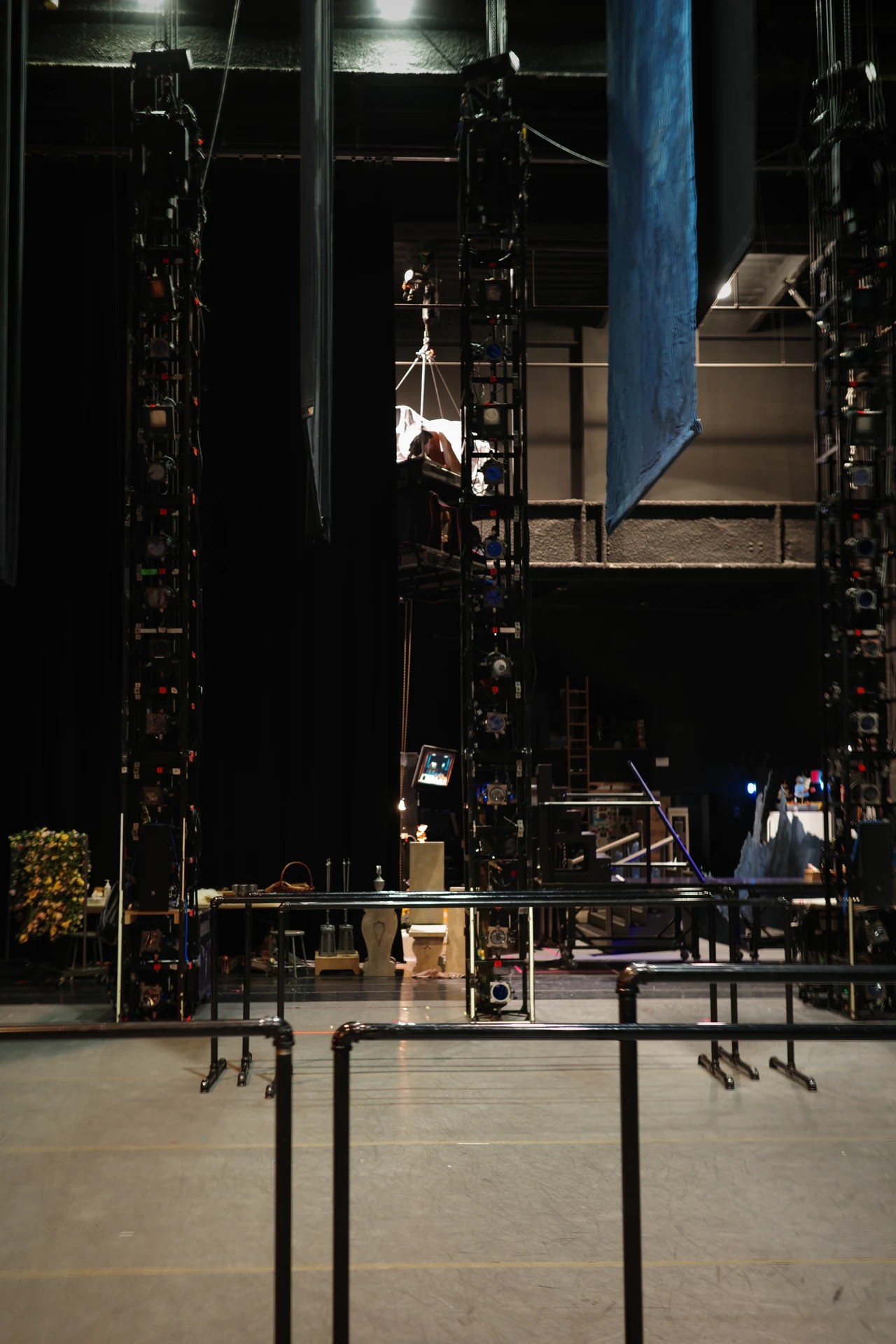
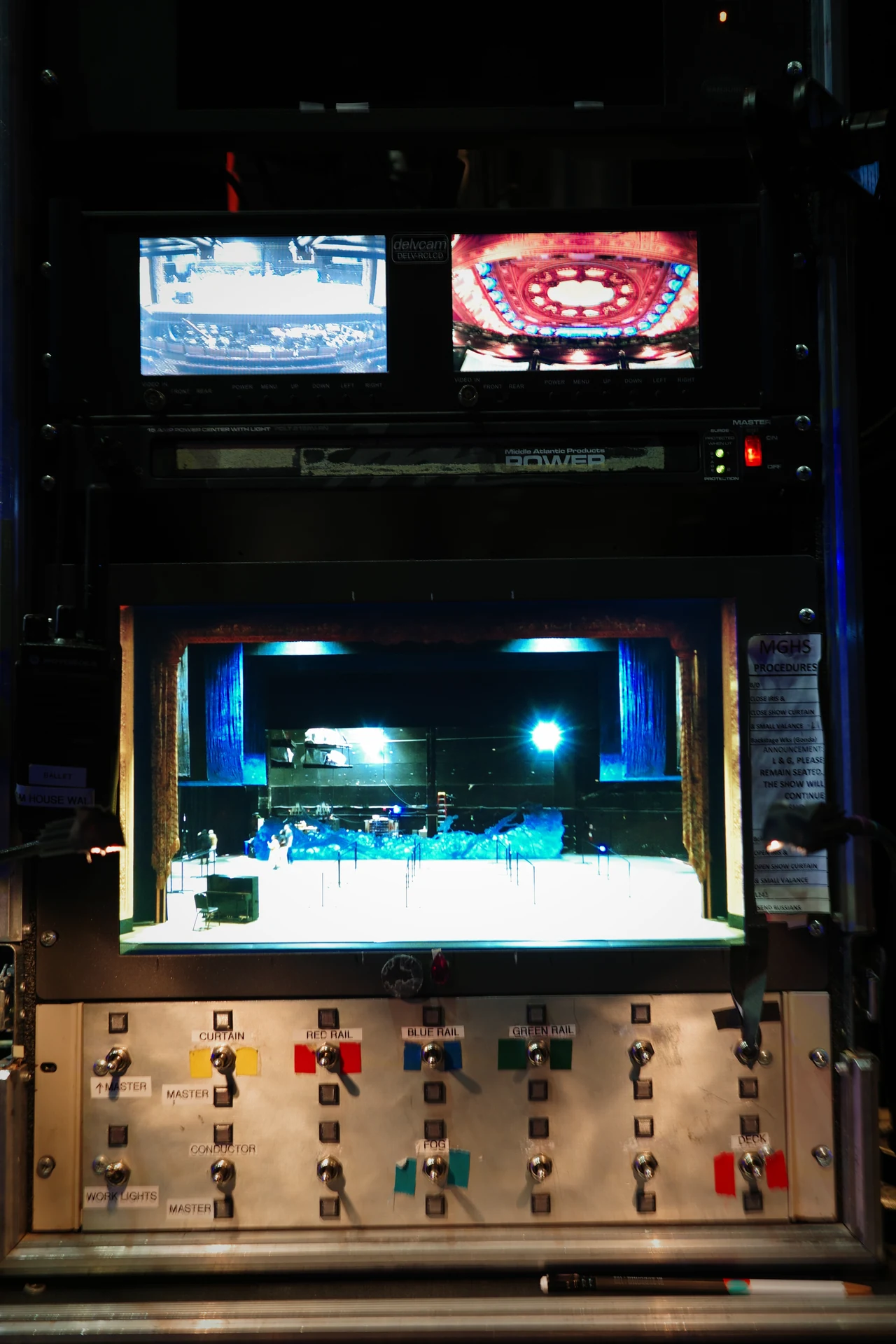
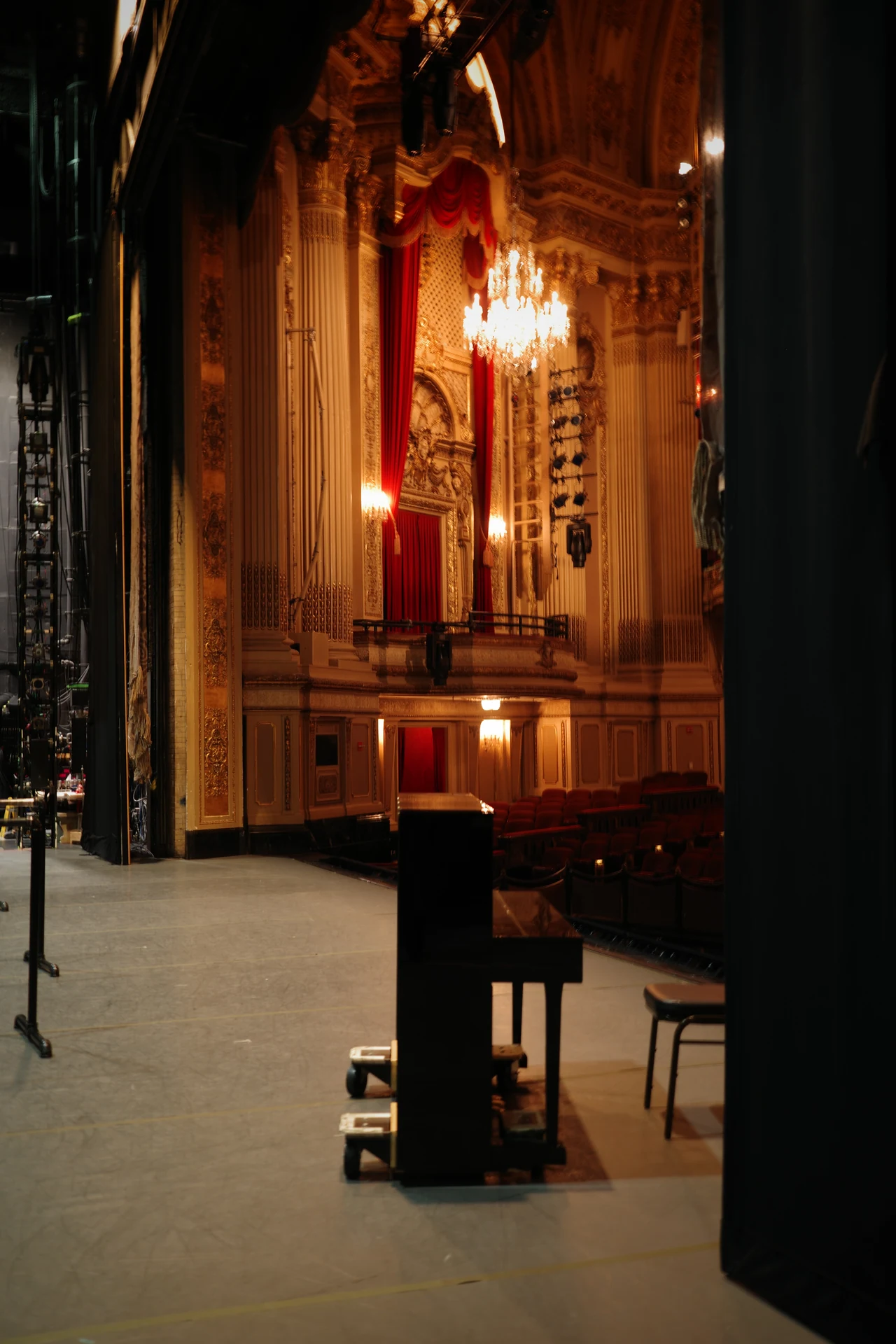
INQ–α: Sugar, Clockwork, and Breath
A Computational Translation of Music
Technical guidance: Tim RodenbrökerPersonal Project
Tools & Technologies: Processing, MIDI data parsing, JSON data structures, algorithmic animation, mathematical mapping functions, generative geometry
Introduction
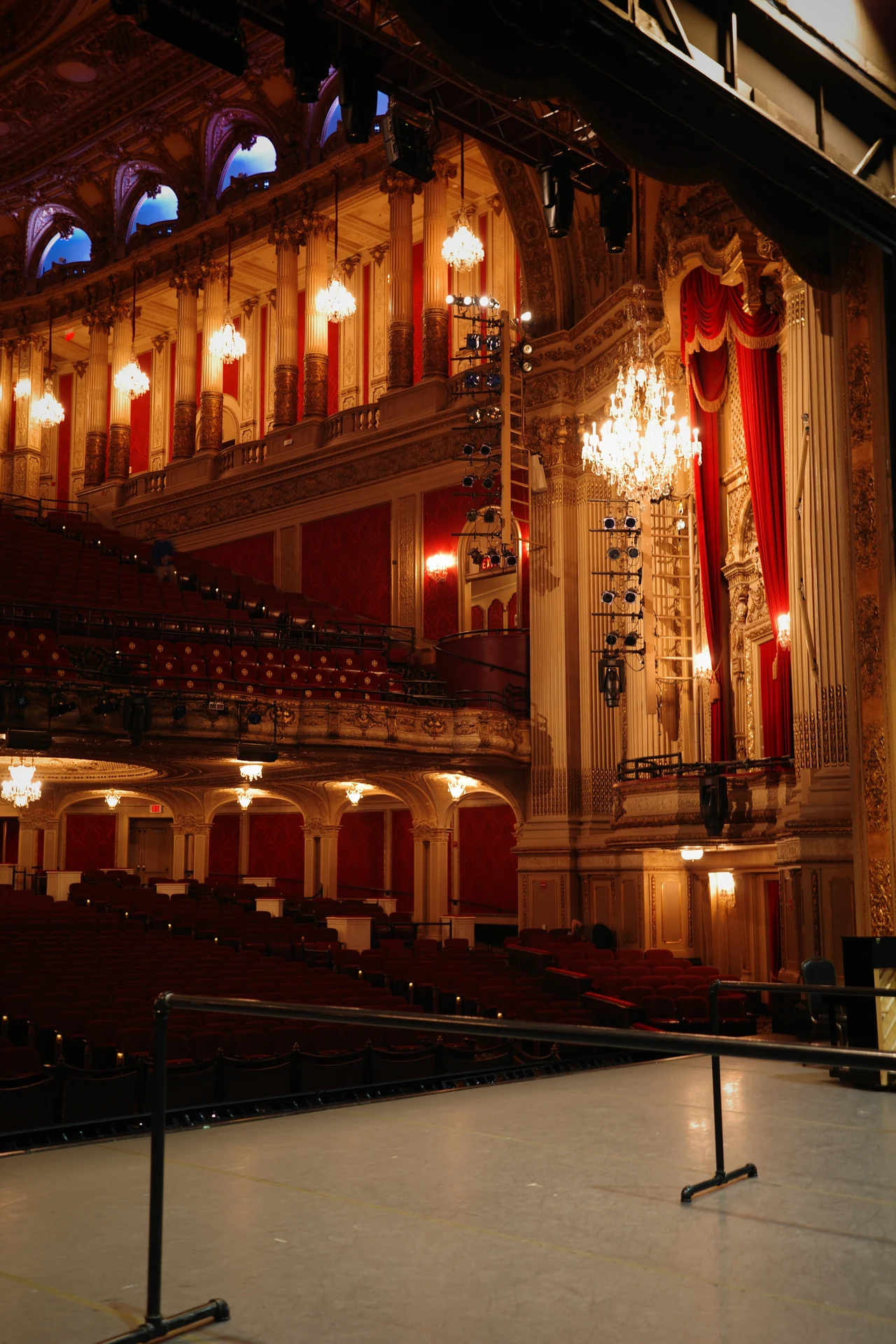
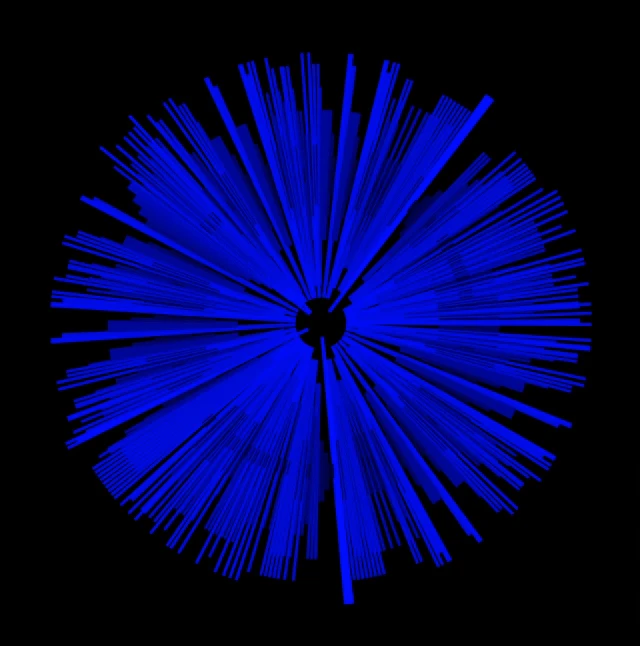
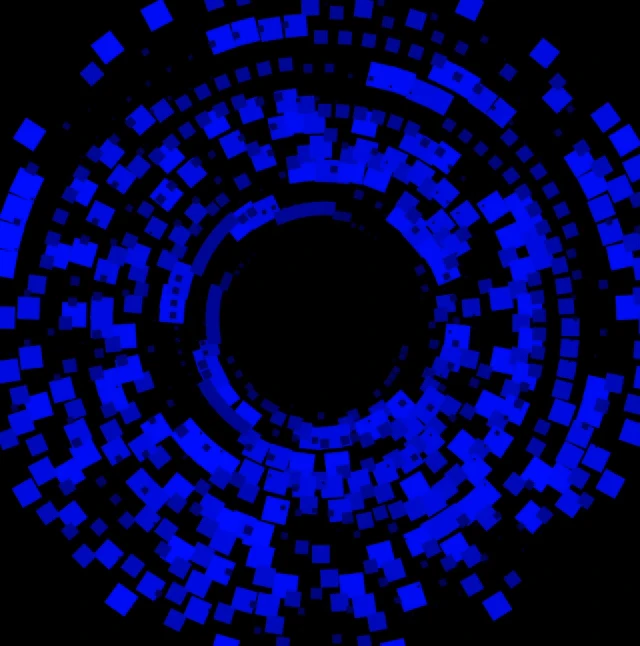
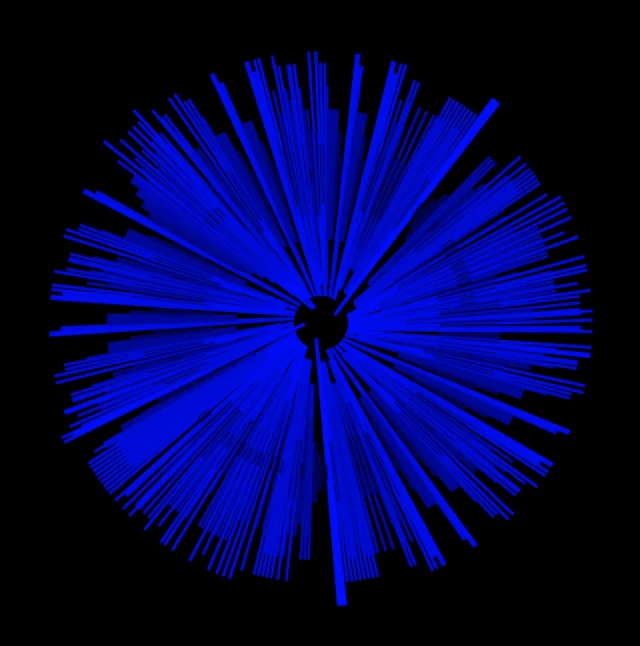
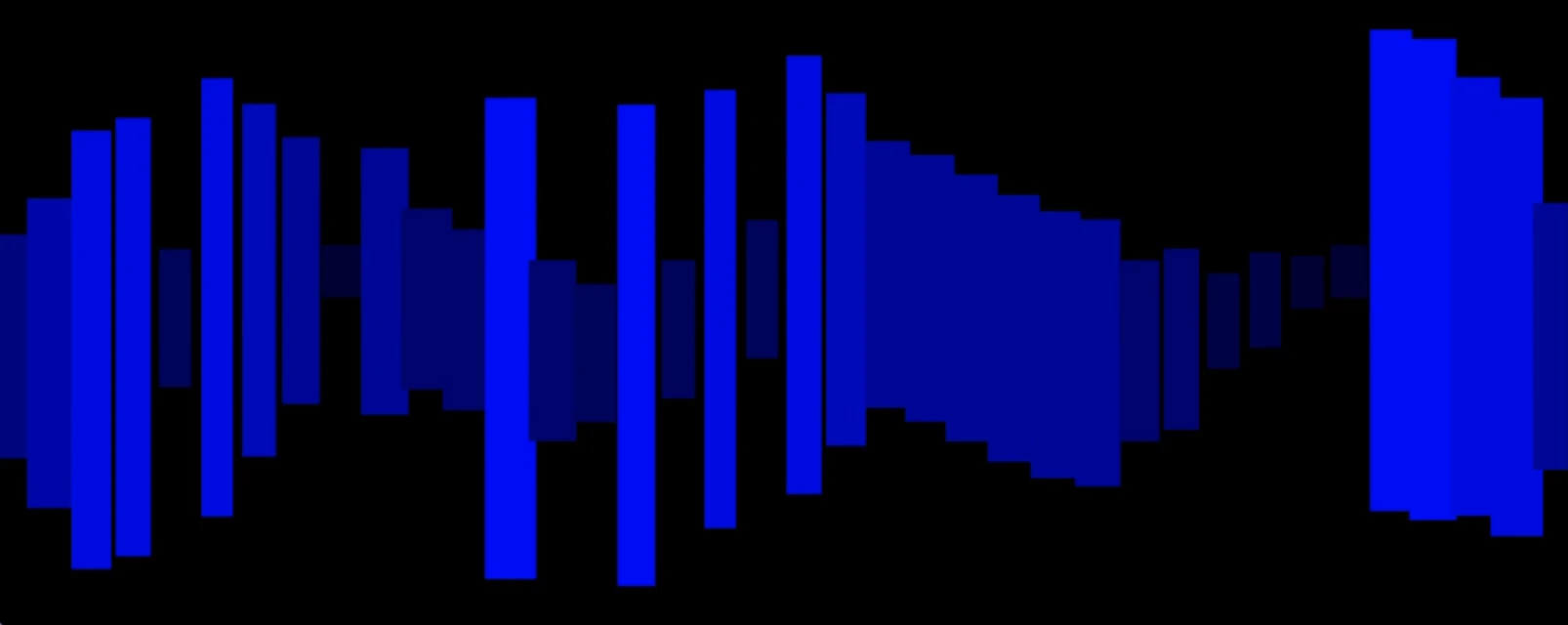
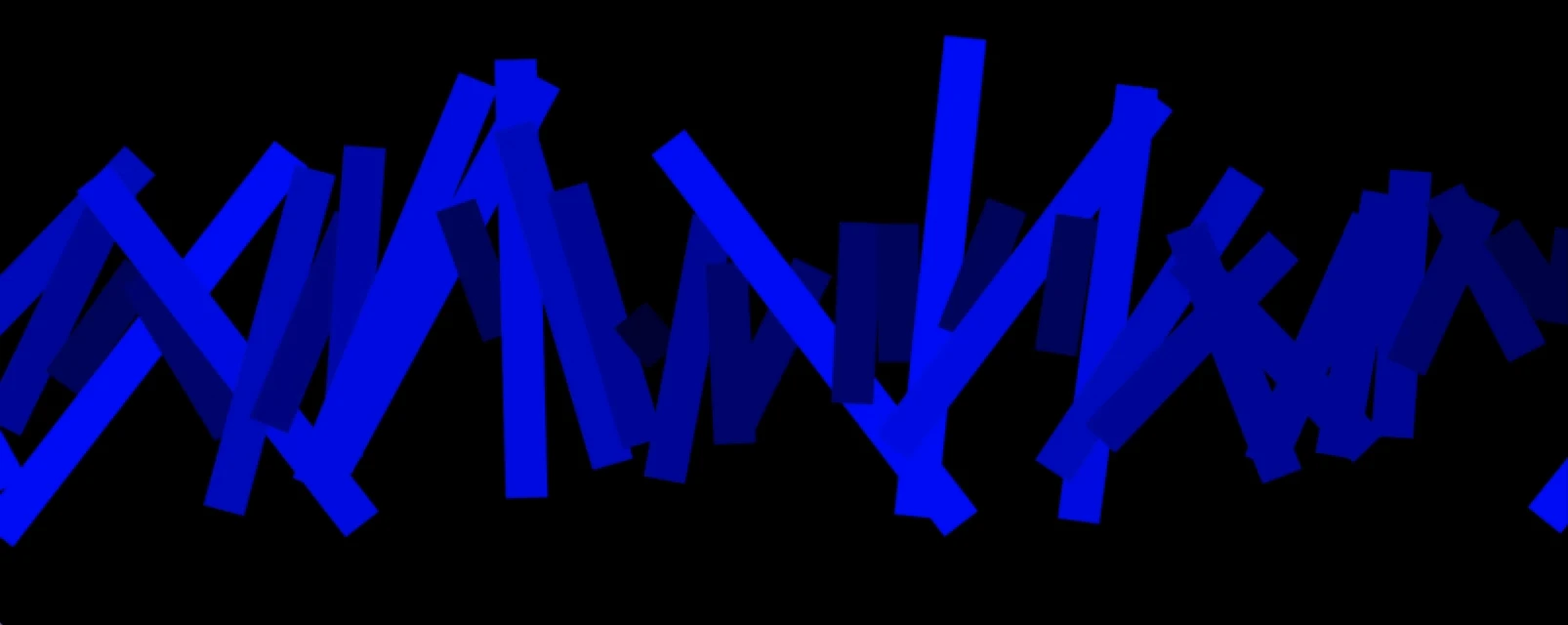
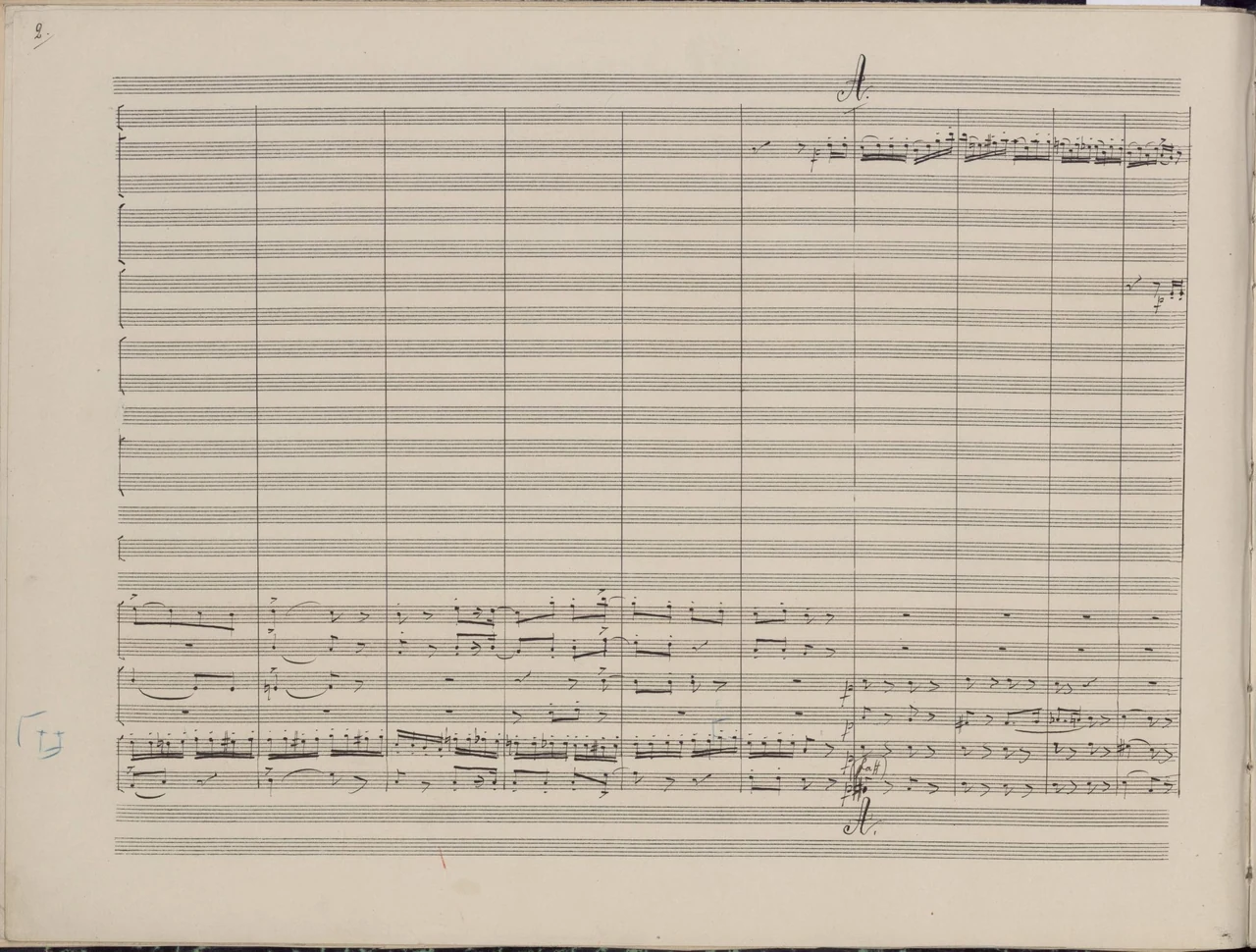
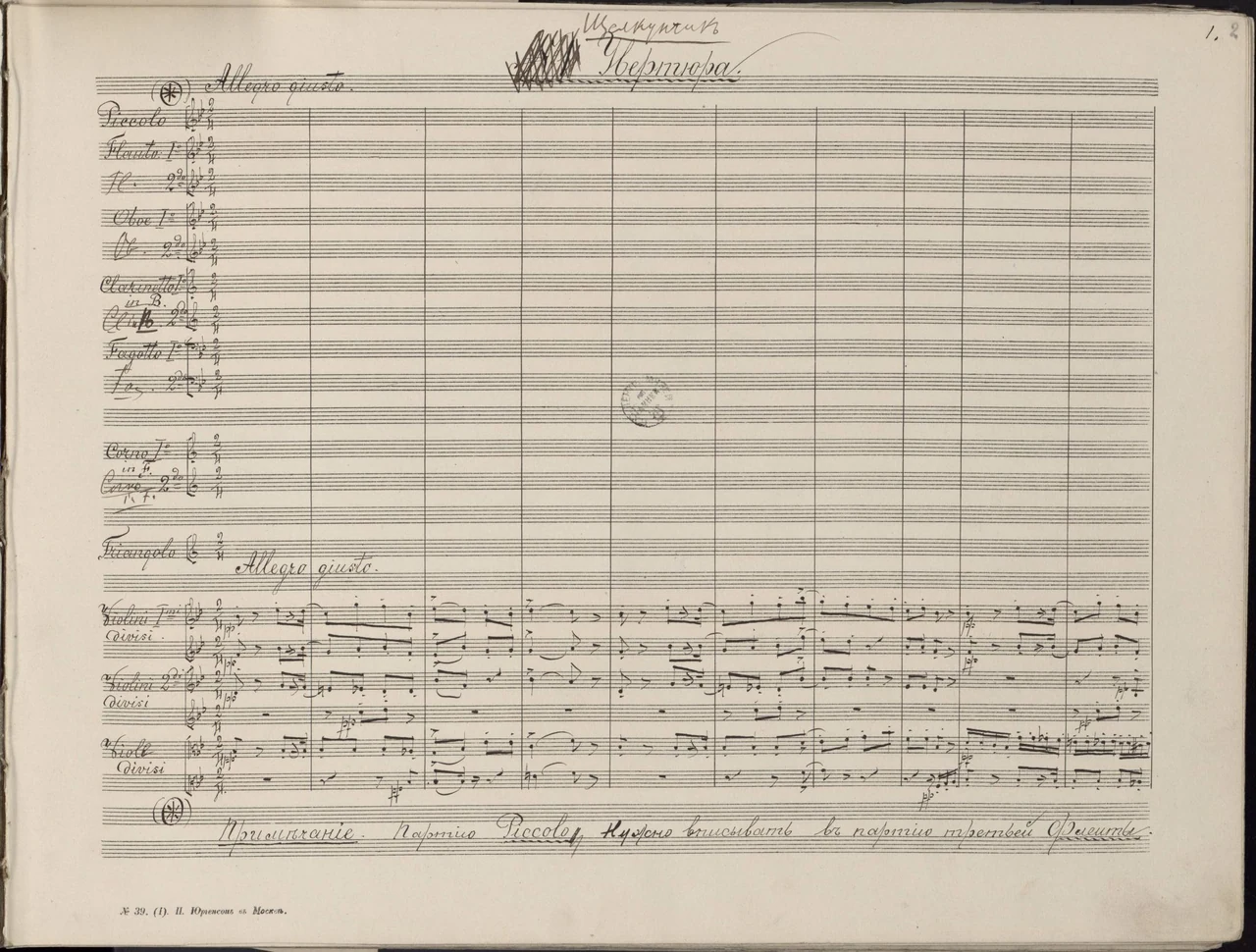
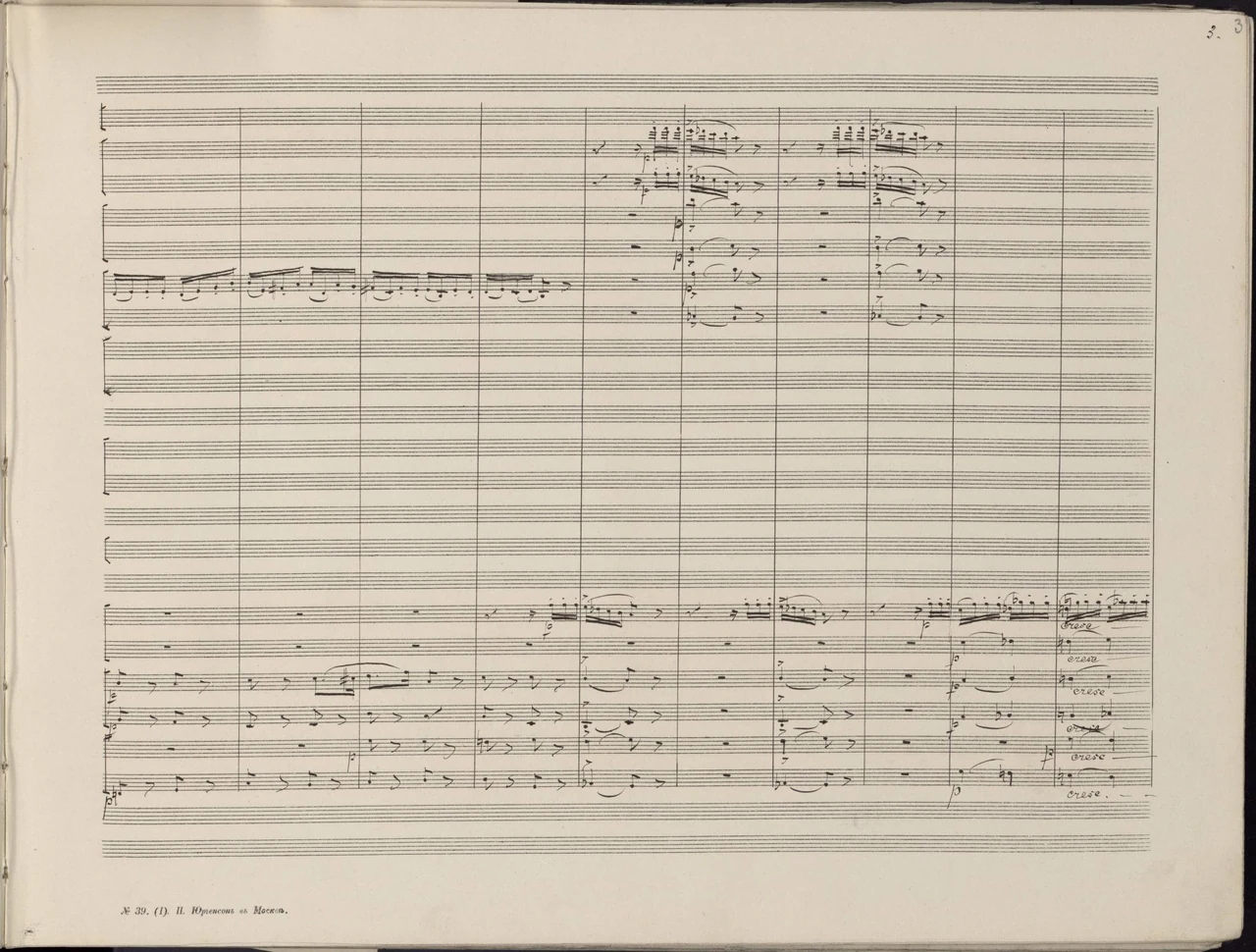
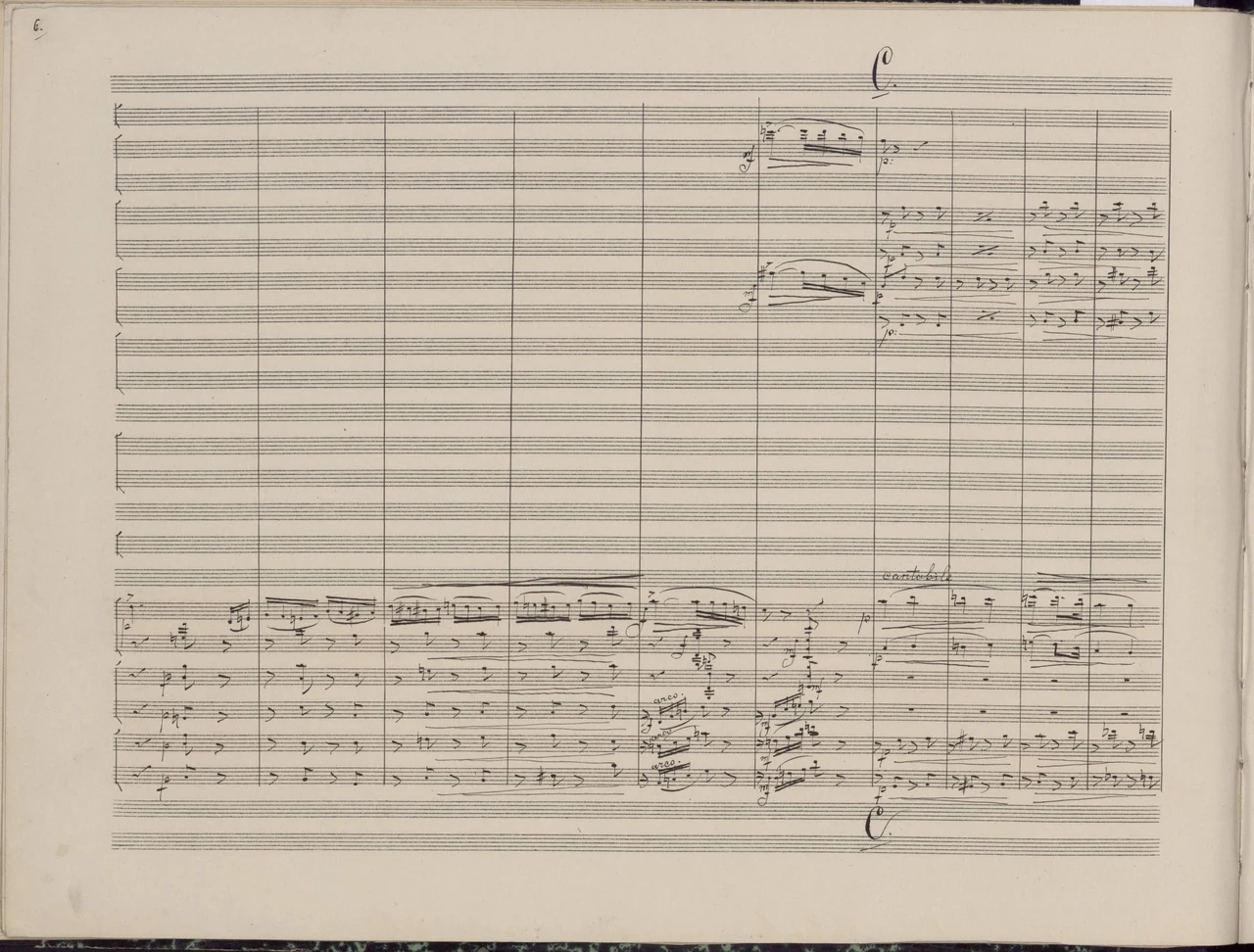
This project originates from the music of my final ballet performance, set to the overture of The Nutcracker. After stepping away from ballet, I returned to this score not to reenact the performance, but to re-encode it computationally. By translating the music into data and algorithmic rules, the project examines how a bodily, time-based experience can be transformed into a generative system—one that preserves rhythm and structure without relying on figurative representation.
( High-resolution images may take a moment to load.)



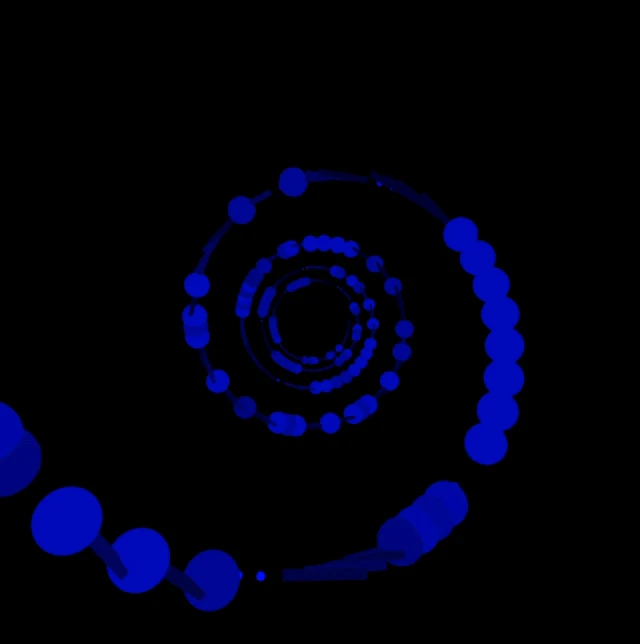
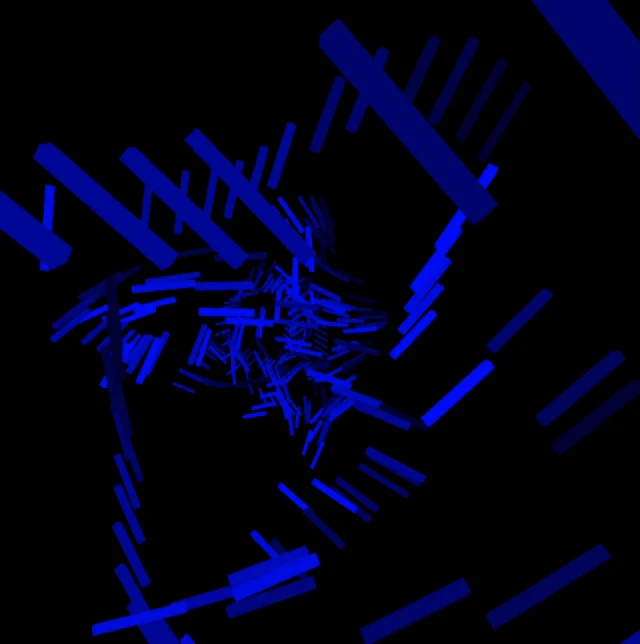

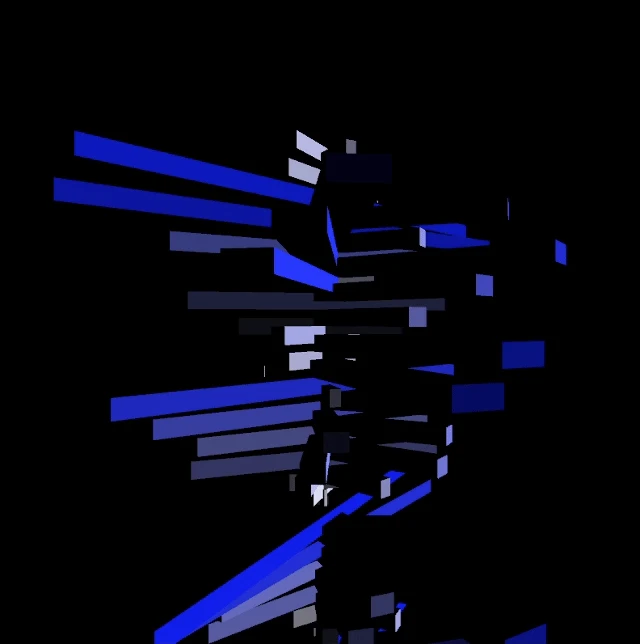


Concept
The project considers music as a system of discrete events unfolding over time, and performance as a synchronization between body and temporal structure. Here, the choreography is absent, but its logic remains embedded in the score.
Three metaphors organize the system:
- Sugar — accumulation and crystallization, corresponding to moments of musical density
- Clockwork — cyclical precision and repetition, reflecting rhythmic structure
- Breath — expansion, contraction, and pause, recalling the physical act of dancing
Rather than illustrating emotion or narrative, the project encodes these qualities through computational relationships. Musical attributes become parameters; time becomes a controlling variable; form emerges as a consequence of data-driven rules.
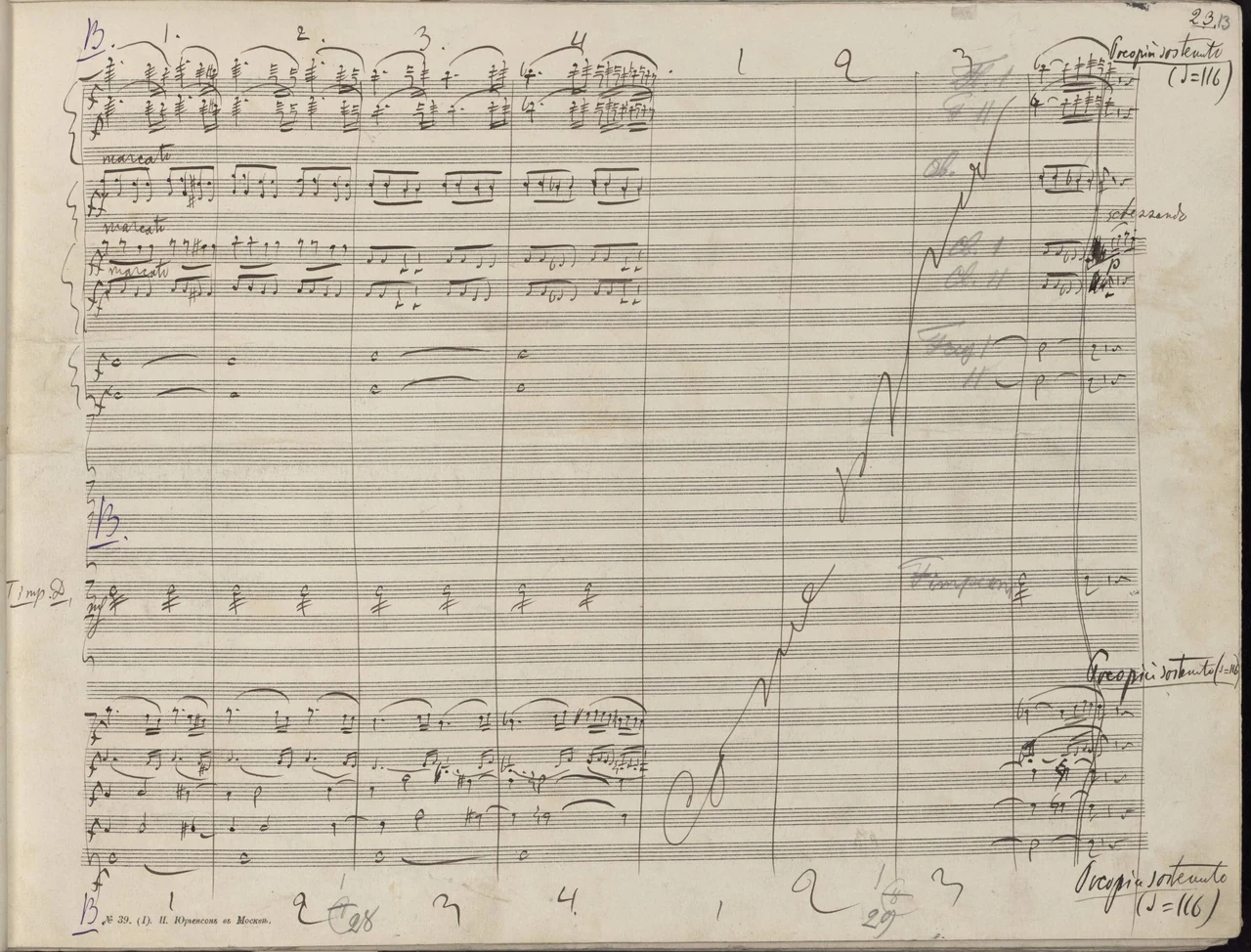
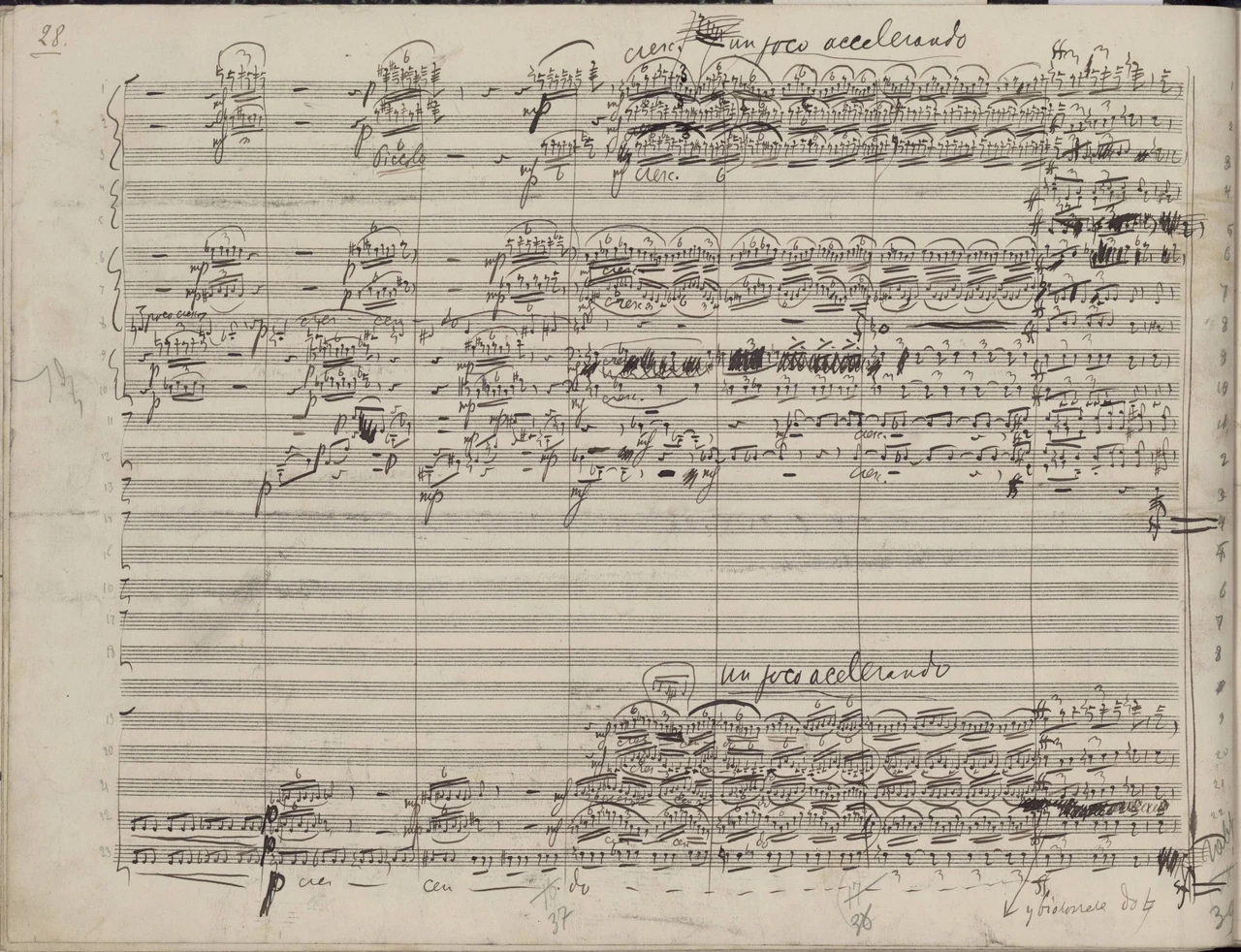
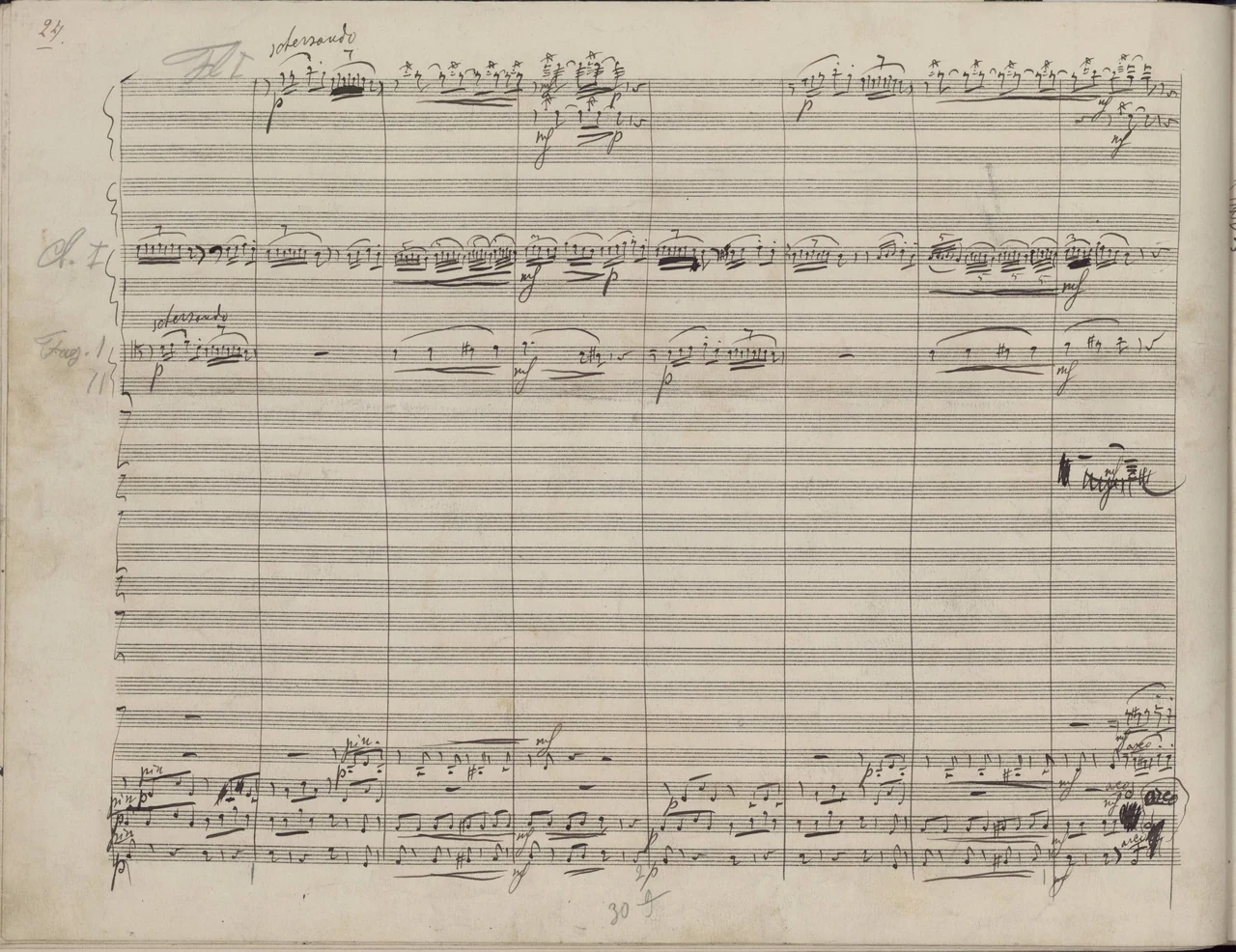
Data Origin & Translation
The source data comes directly from the music used in my final ballet performance. The translation process unfolds in several stages:
- Musical Score → MIDI
bodily movement.
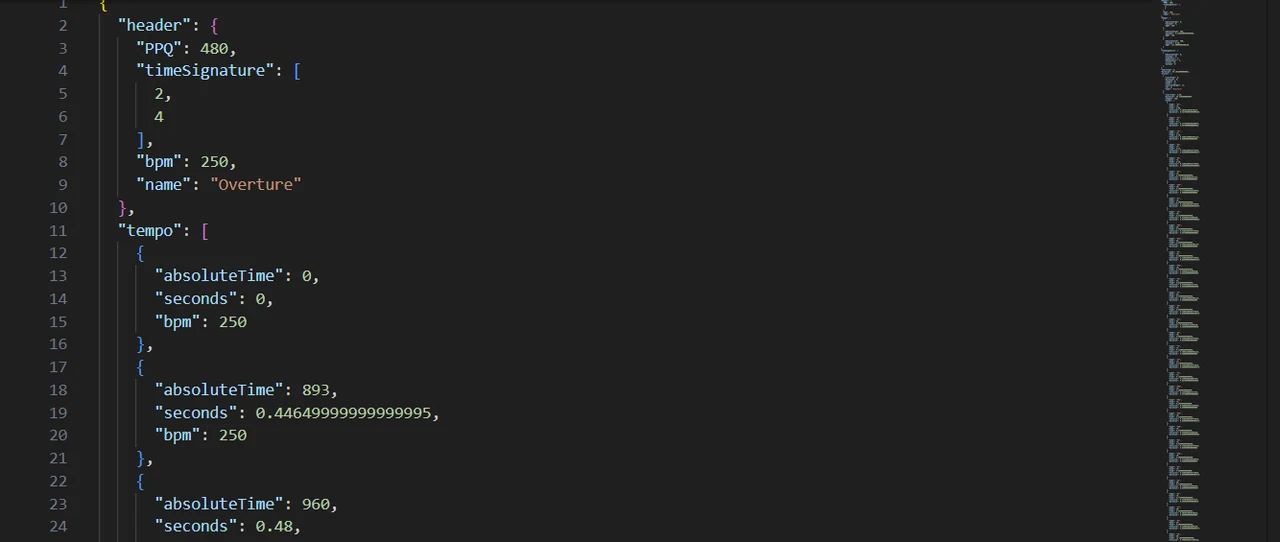
- MIDI → JSON
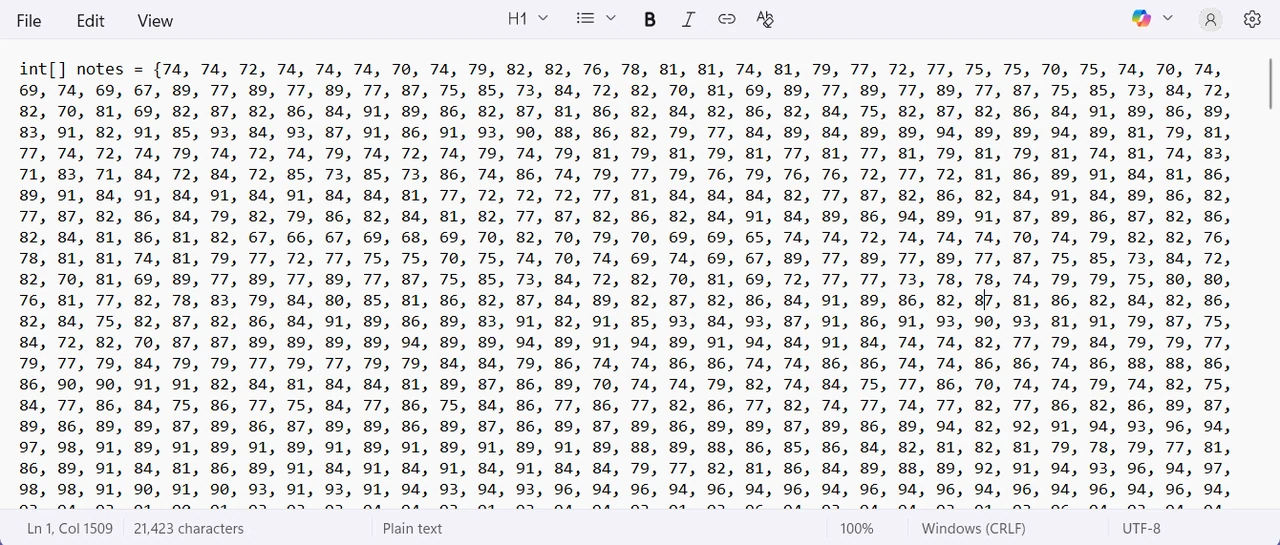
velocity, duration, and onset time.
-
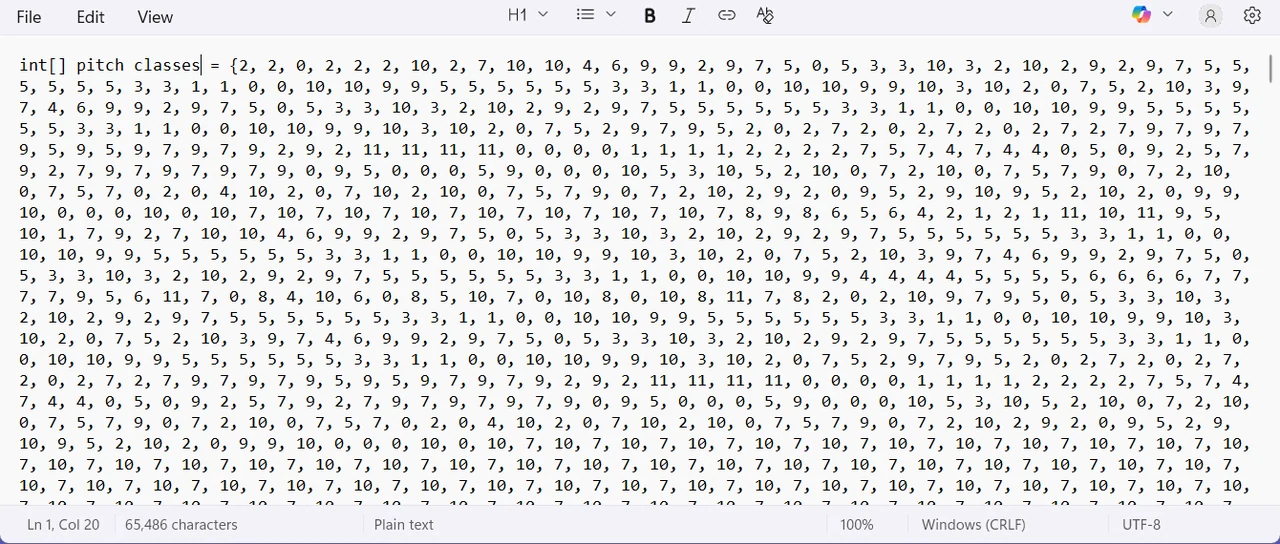
Pitch Normalization
harmonic relationships while simplifying the dataset for generative operations.
The resulting dataset functions as a structured temporal array, where each value corresponds to a specific musical event.