COM–γ: Painting to Poem
(This project was developed through a fully collaborative two-person workflow. All conceptual and technical decisions were made jointly through continuous dialogue, iteration, and testing.)
Tools & Technologies: Mask R-CNN, CLIP, ArtEmis, custom texture classifier, Python + PyTorch, poem layout engine
Painting to Poem is a computational system that transforms visual artworks into spatially structured poems. The pipeline analyzes a painting’s composition, emotion, and texture, translating these qualities into the arrangement of language.
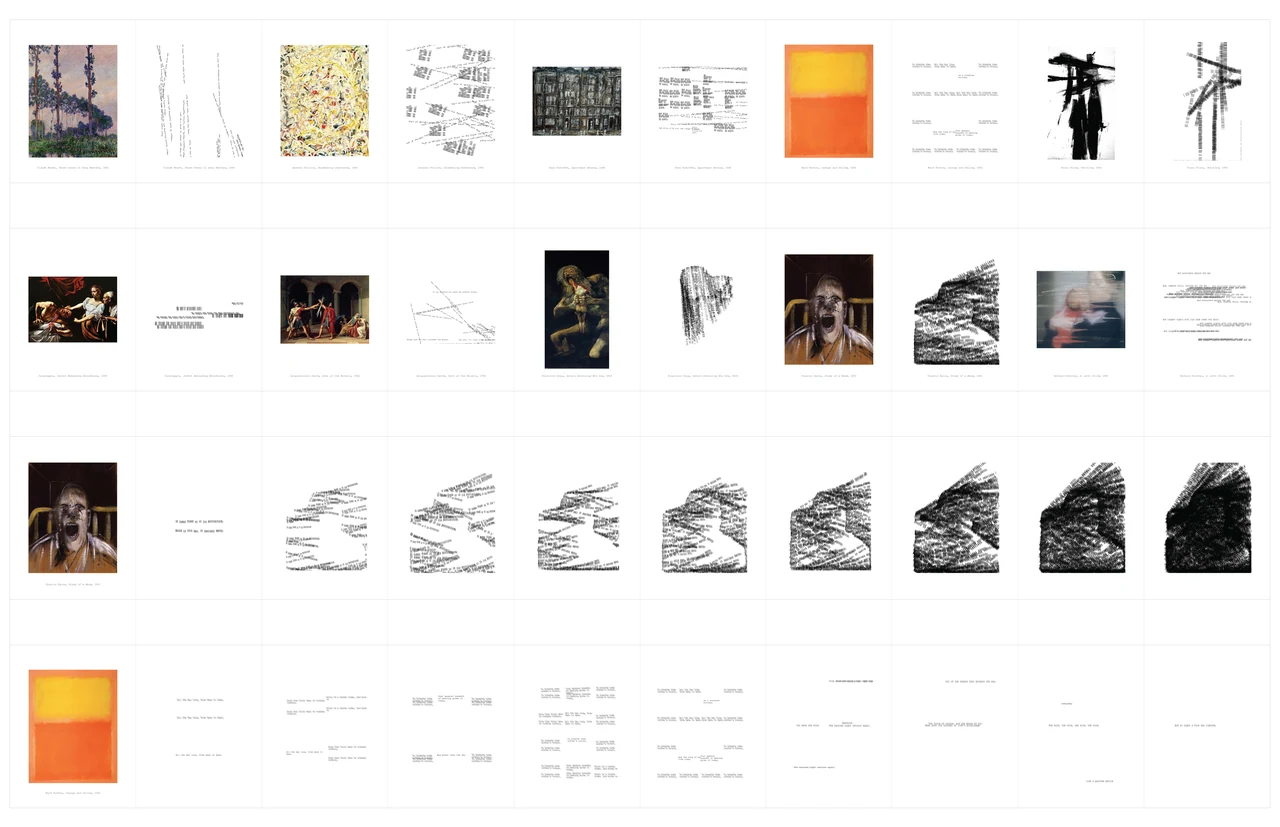
The system builds a multimodal bridge between image and text through several layers of computational analysis:
-
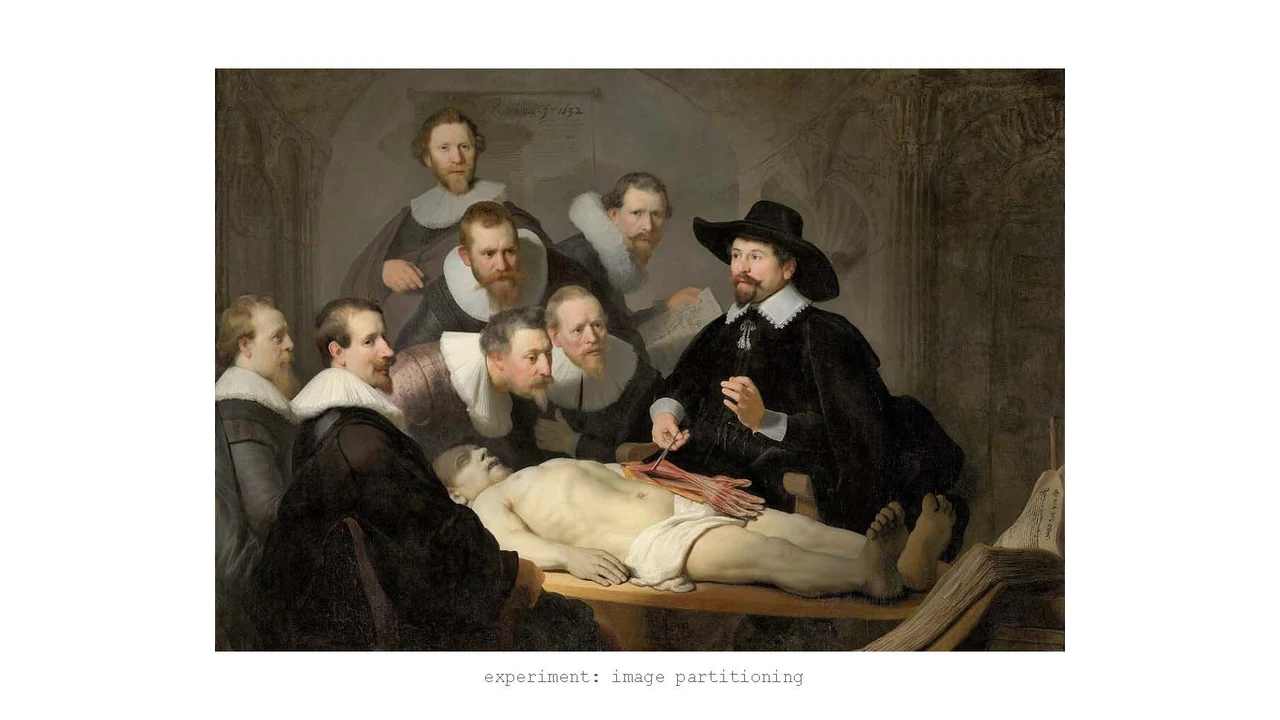
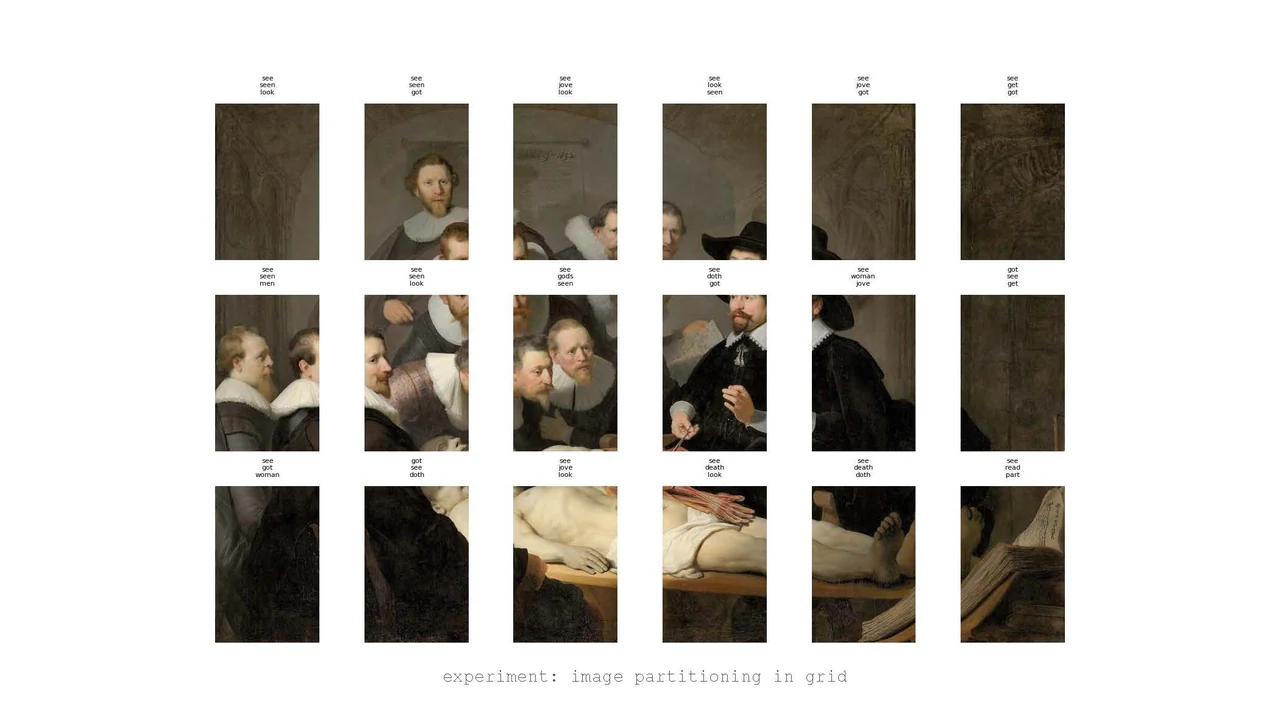
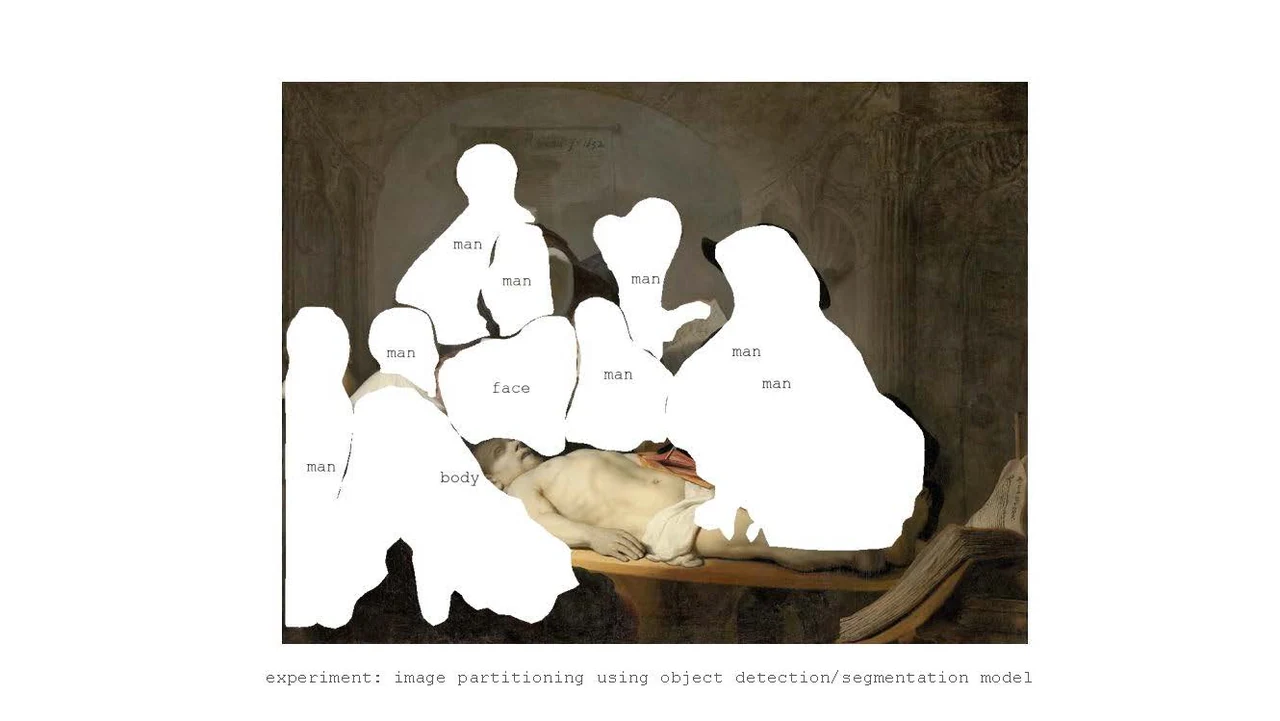
Segmentation & Form Extraction
-
Semantic Resonance
-
Affective Interpretation
-
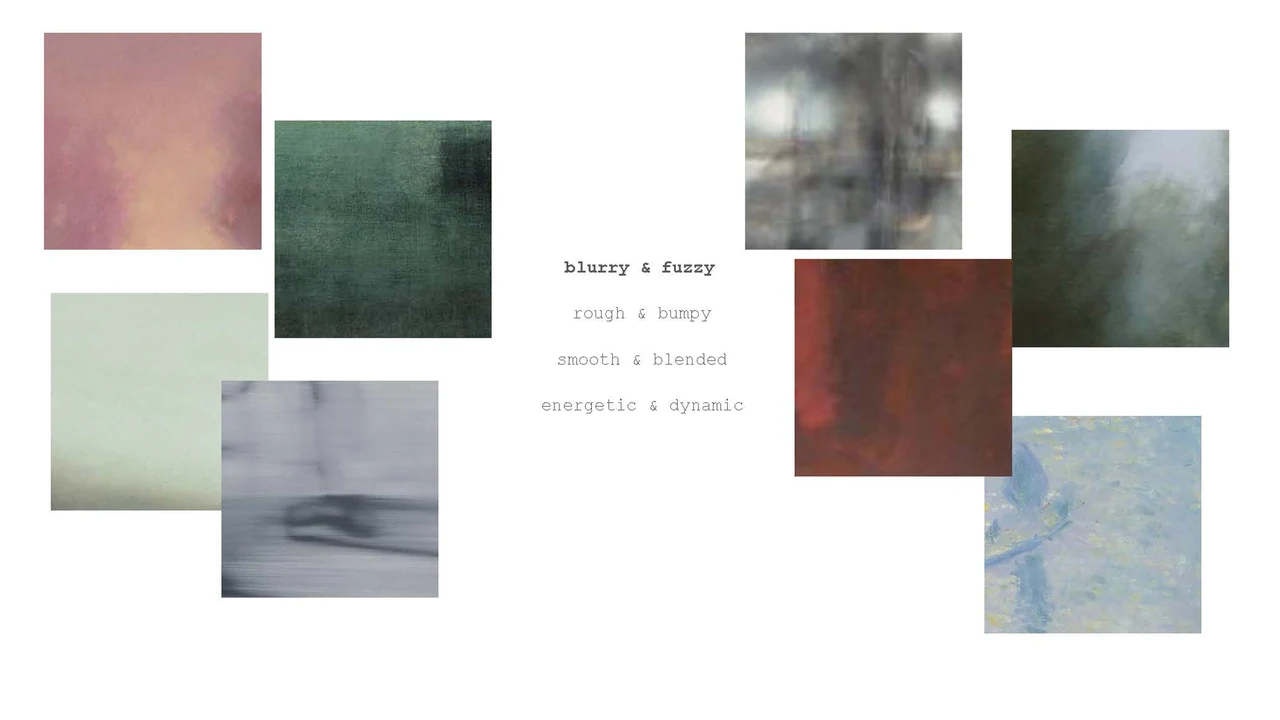
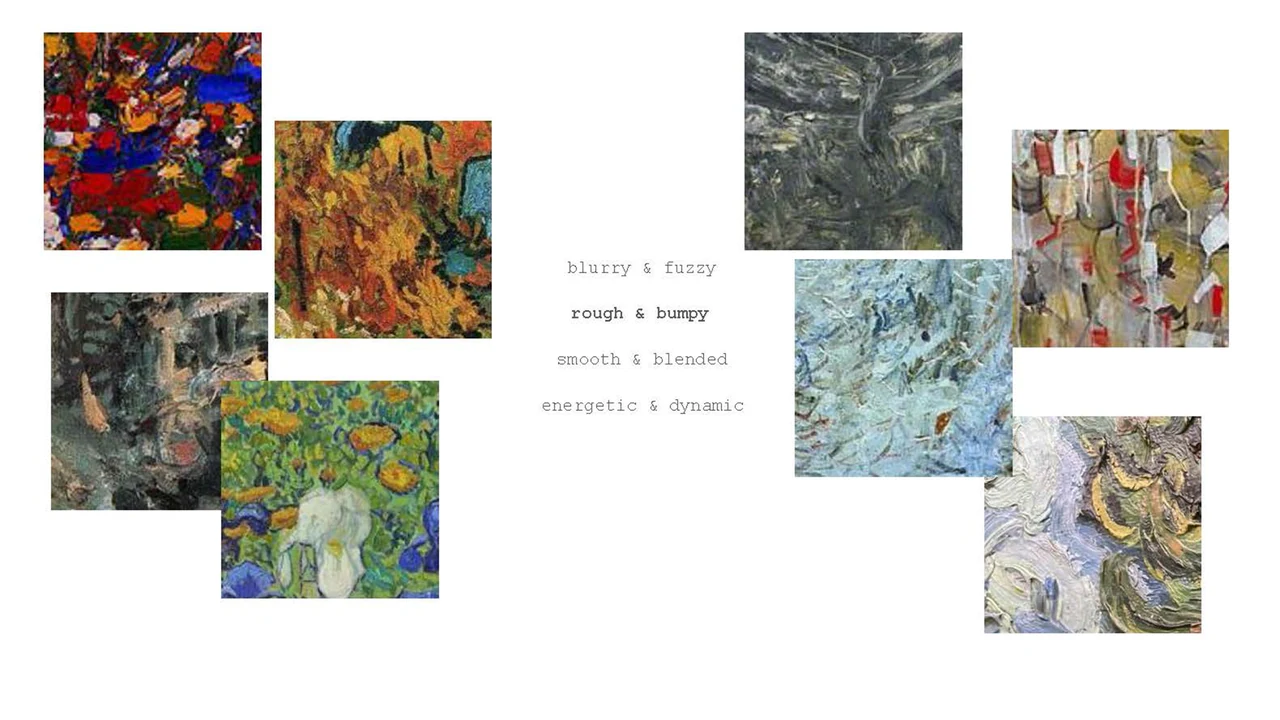
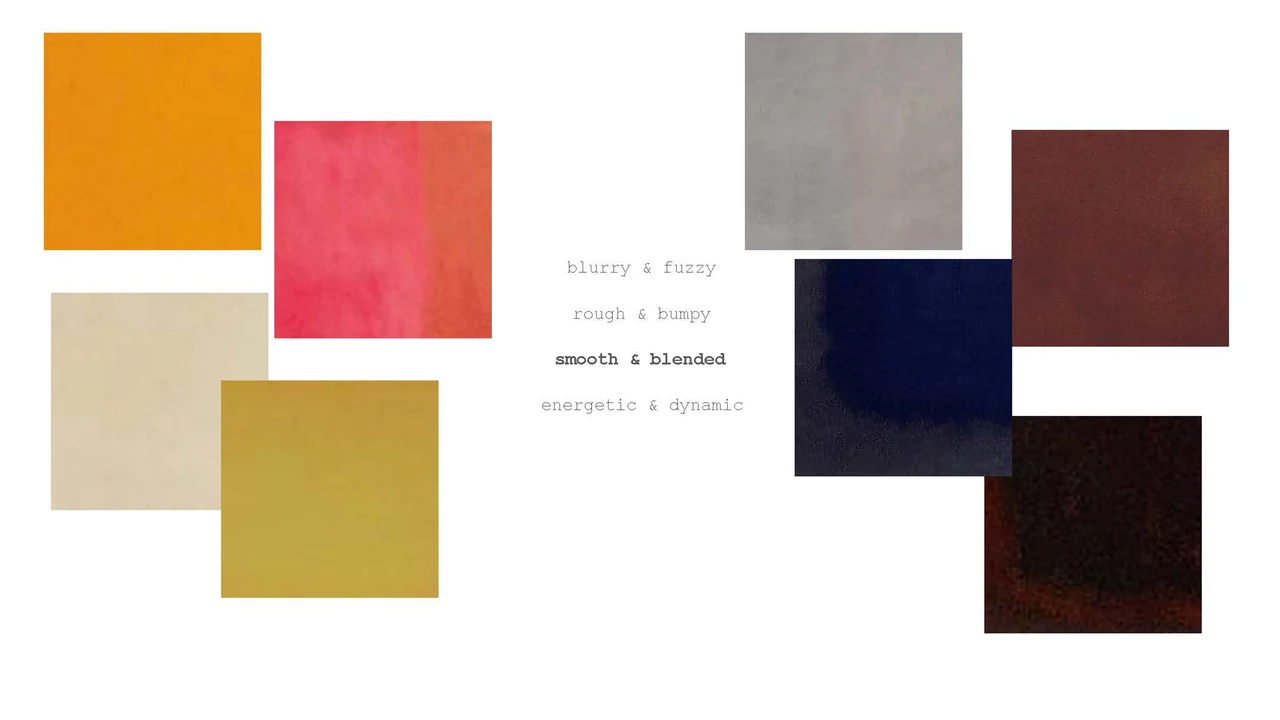
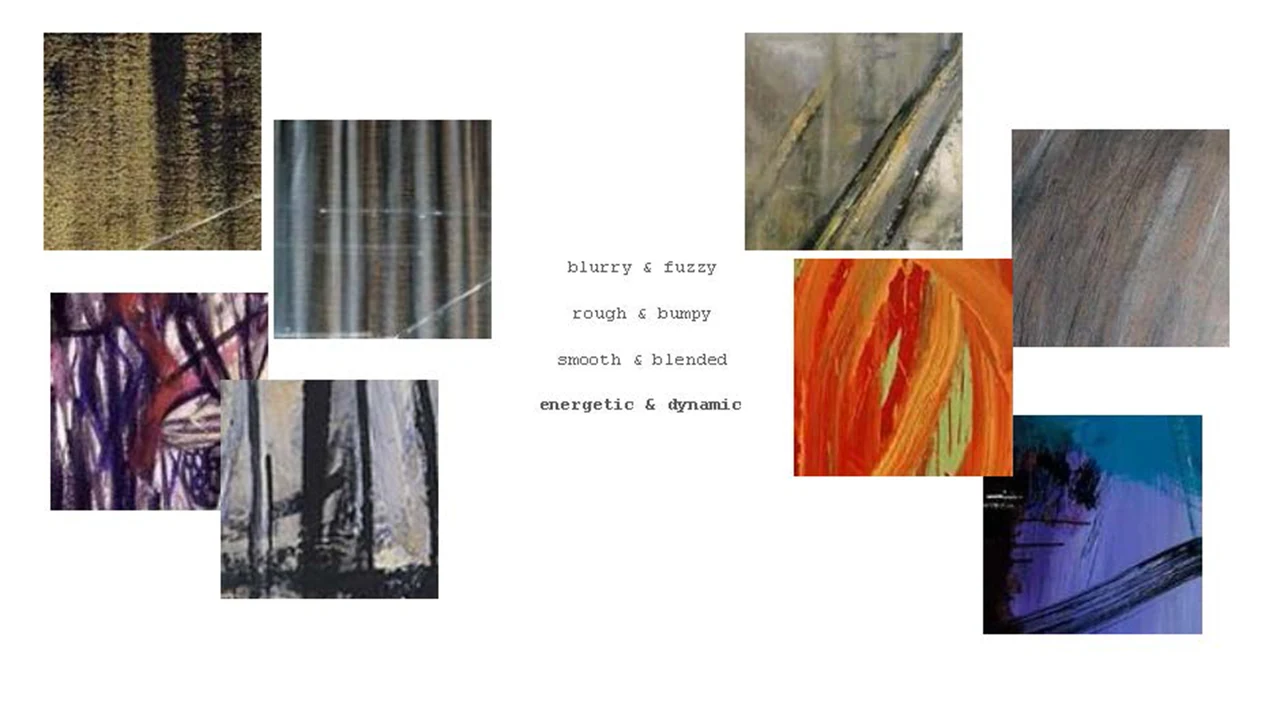
Texture Classification
The project explores three poetic modes:
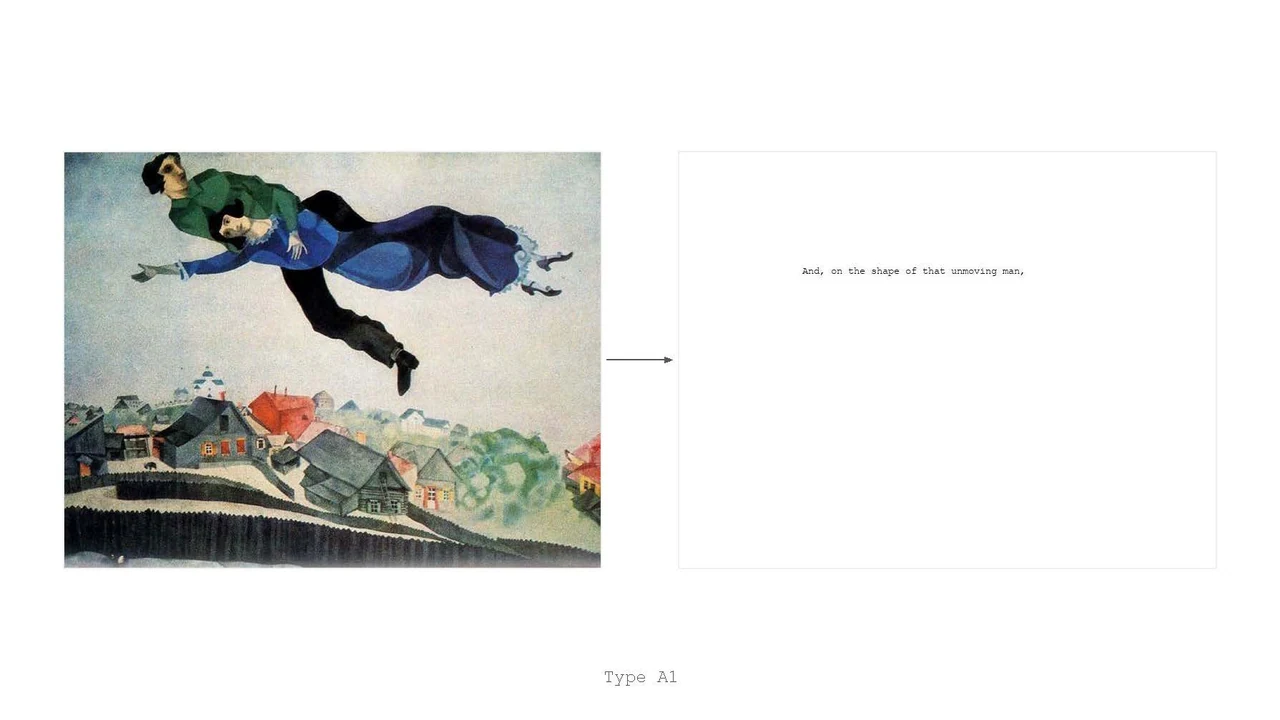
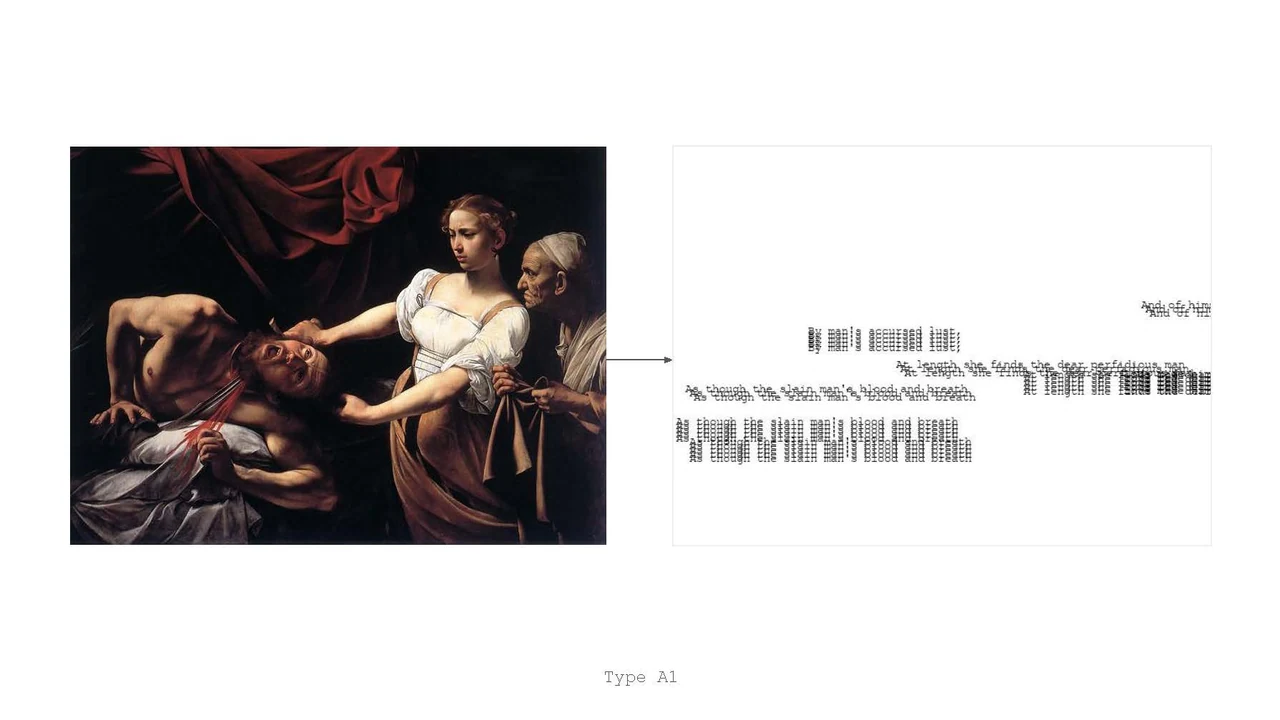
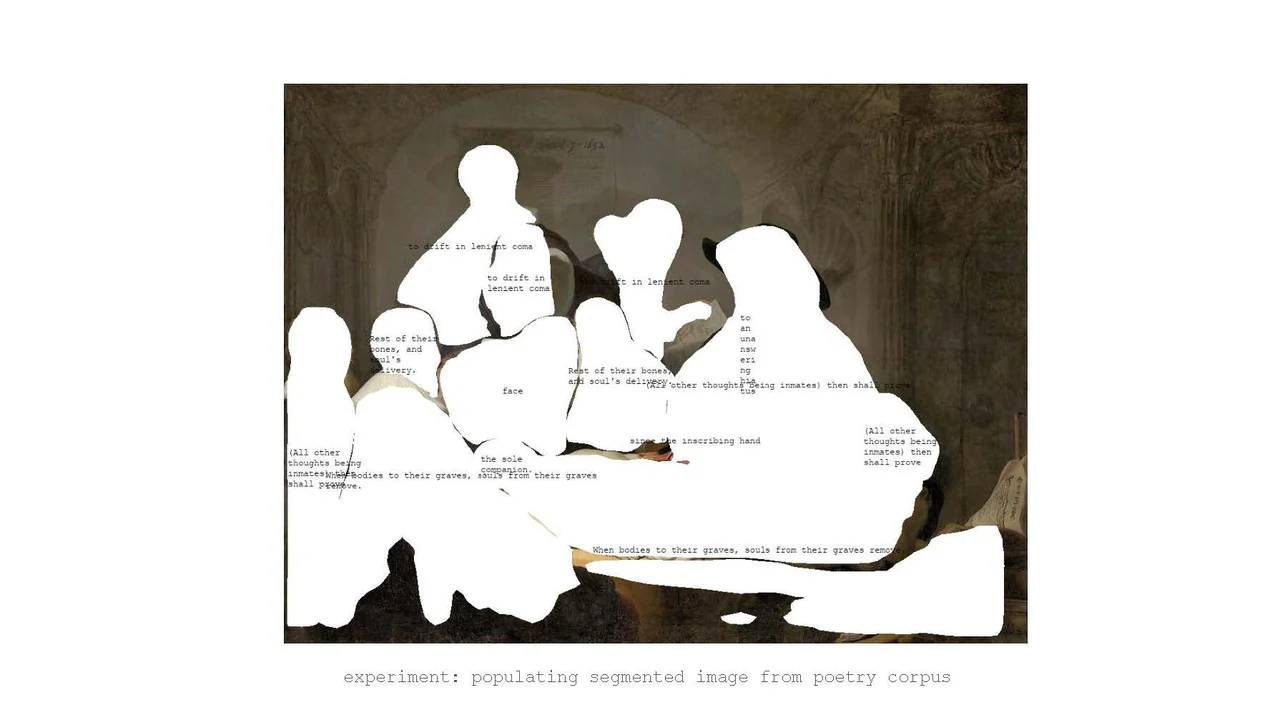
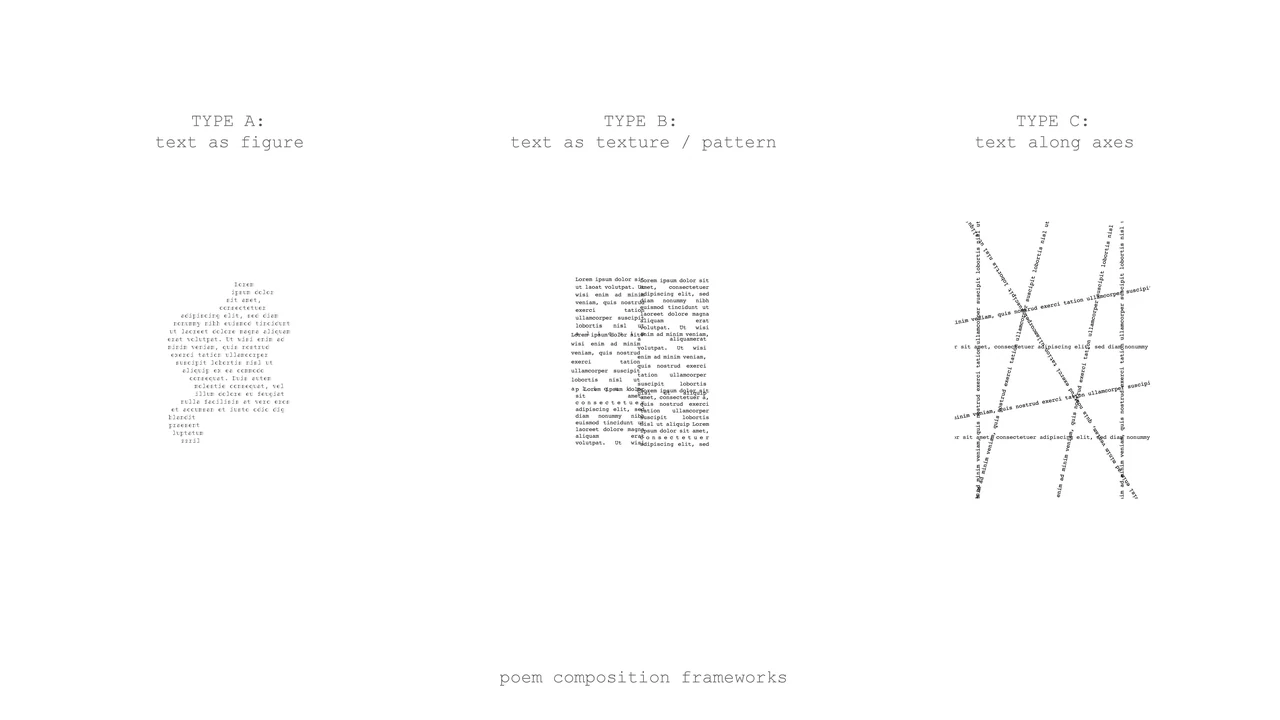
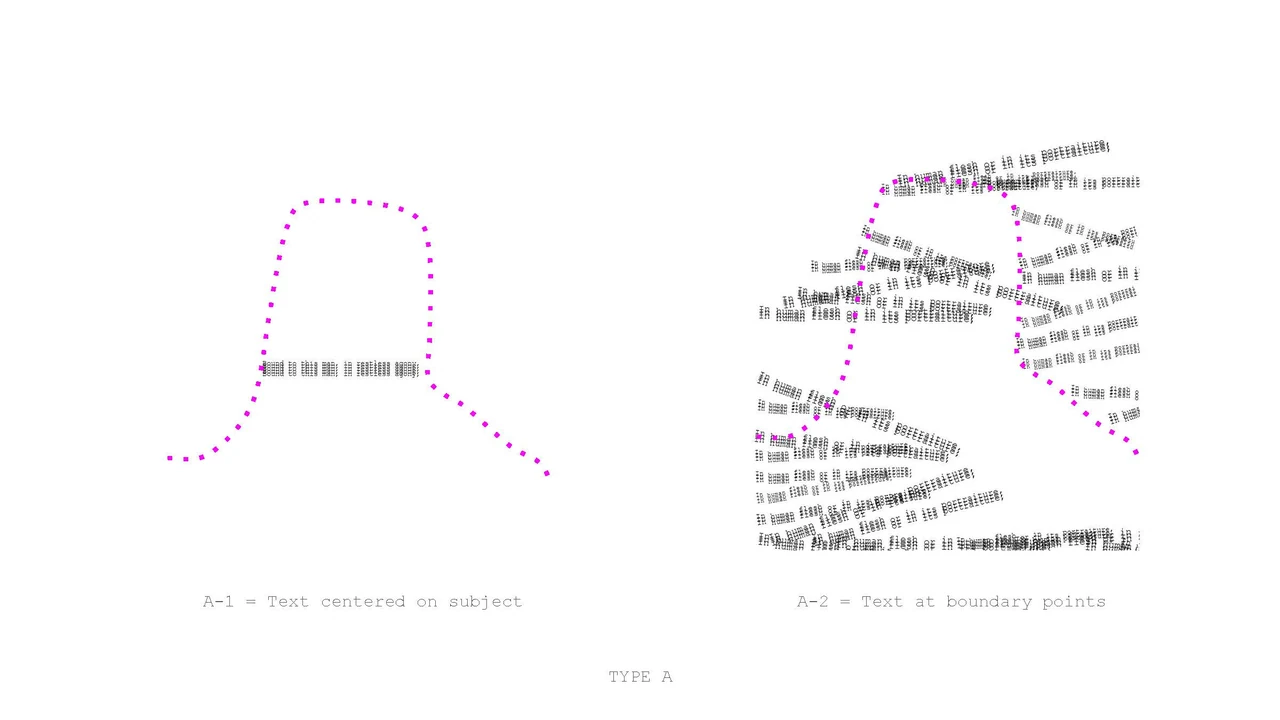
Type A, where text is positioned within detected figures or along their boundaries;
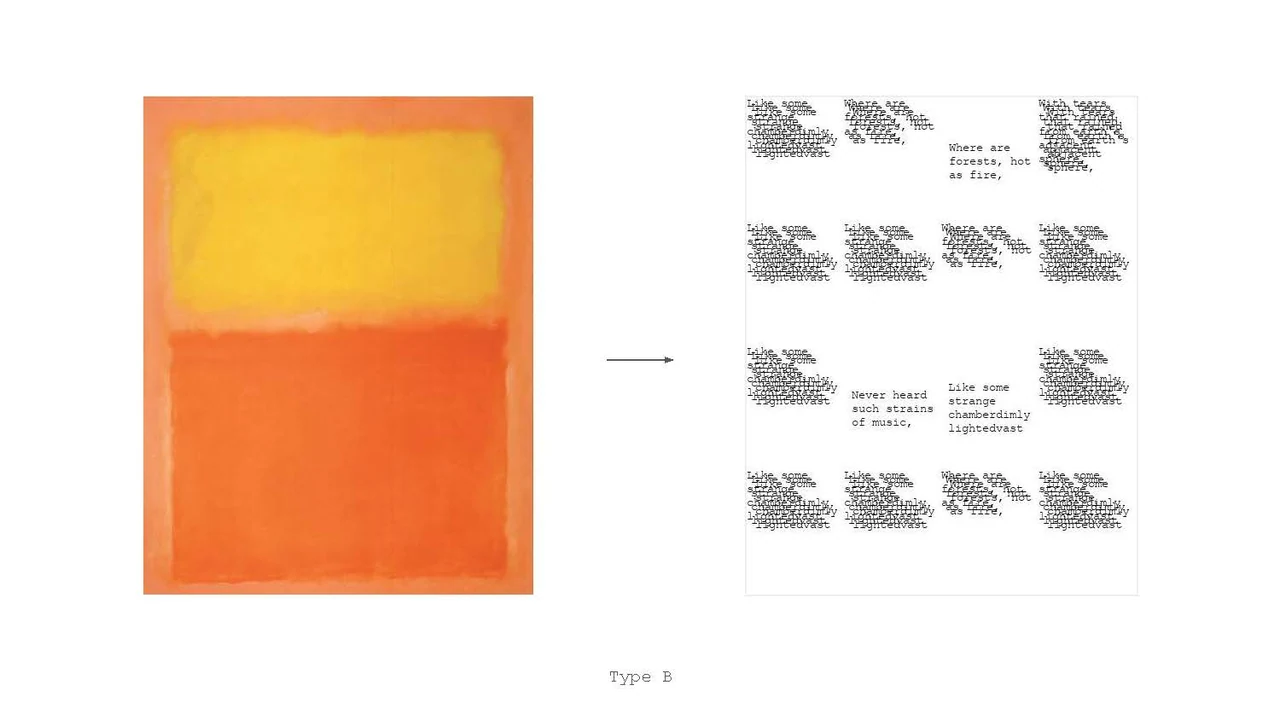
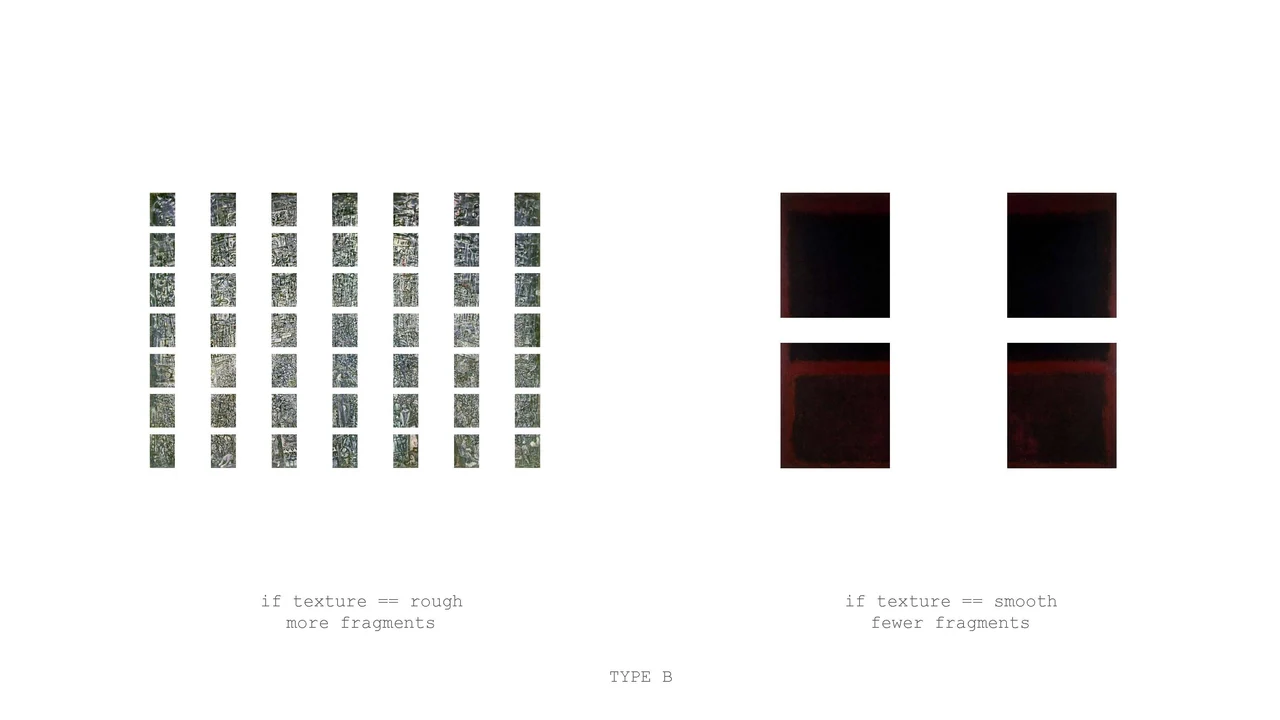
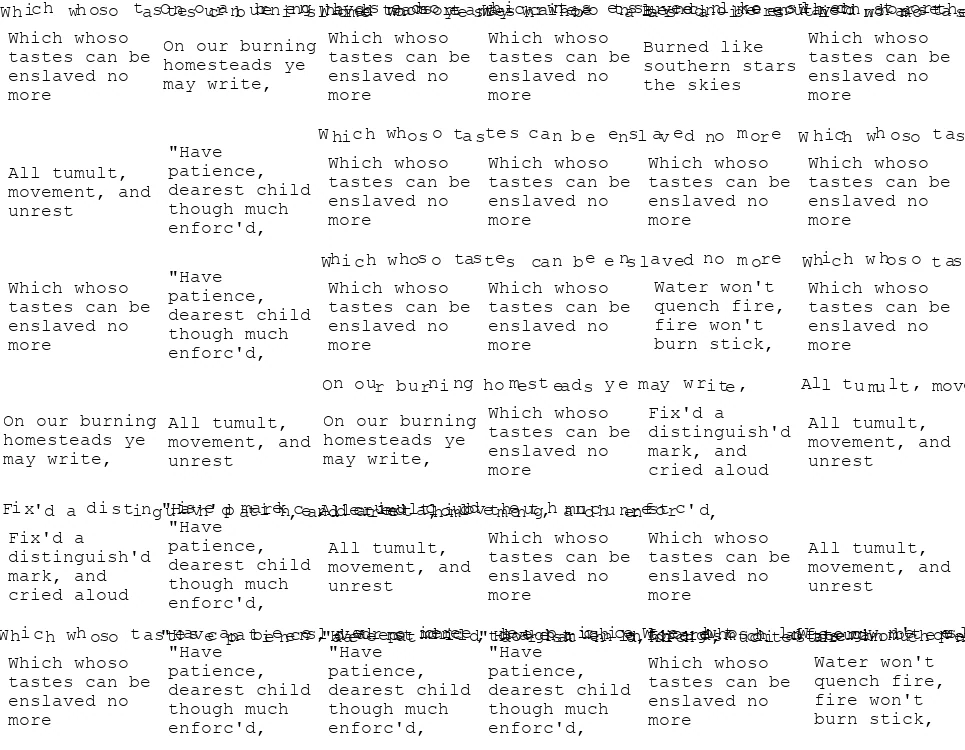
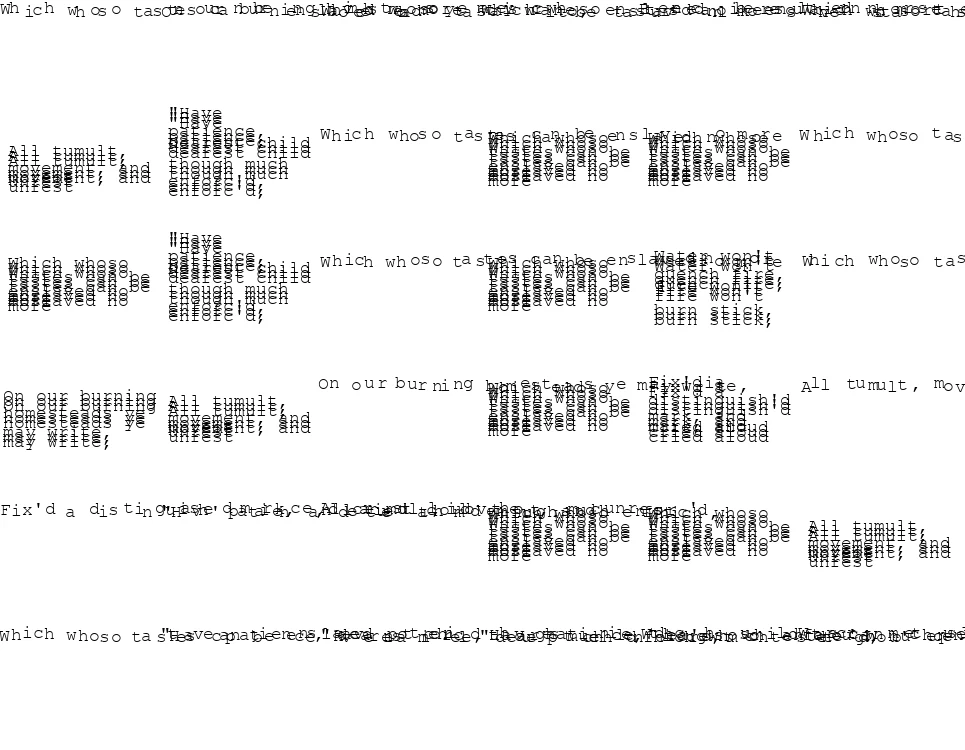
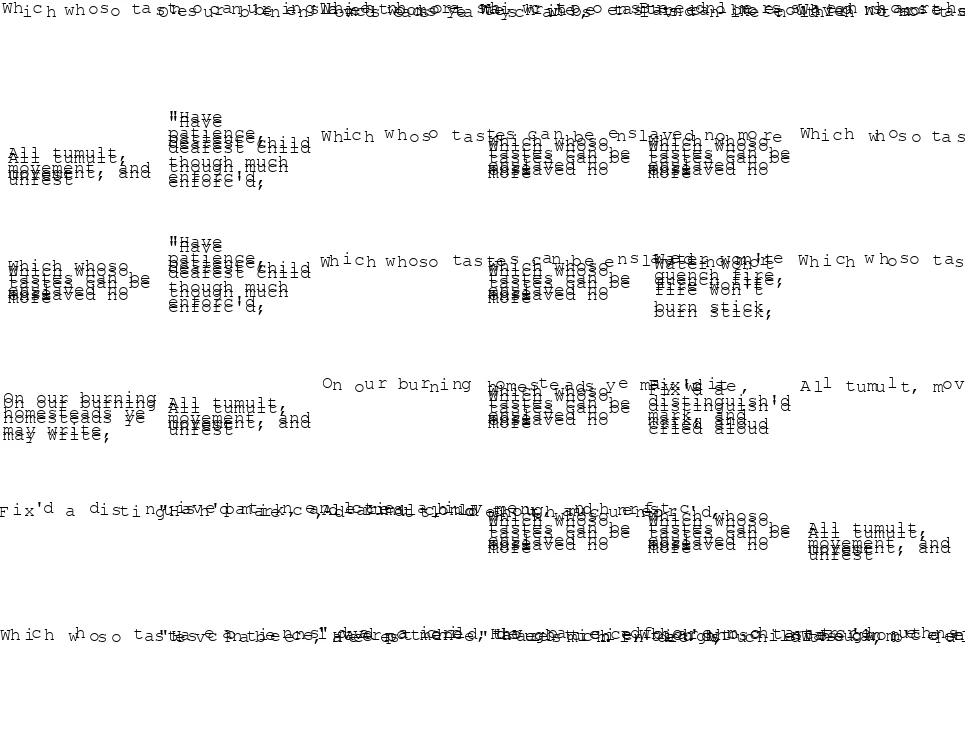
Type B, where text becomes a texture-like field embedded across the painting;
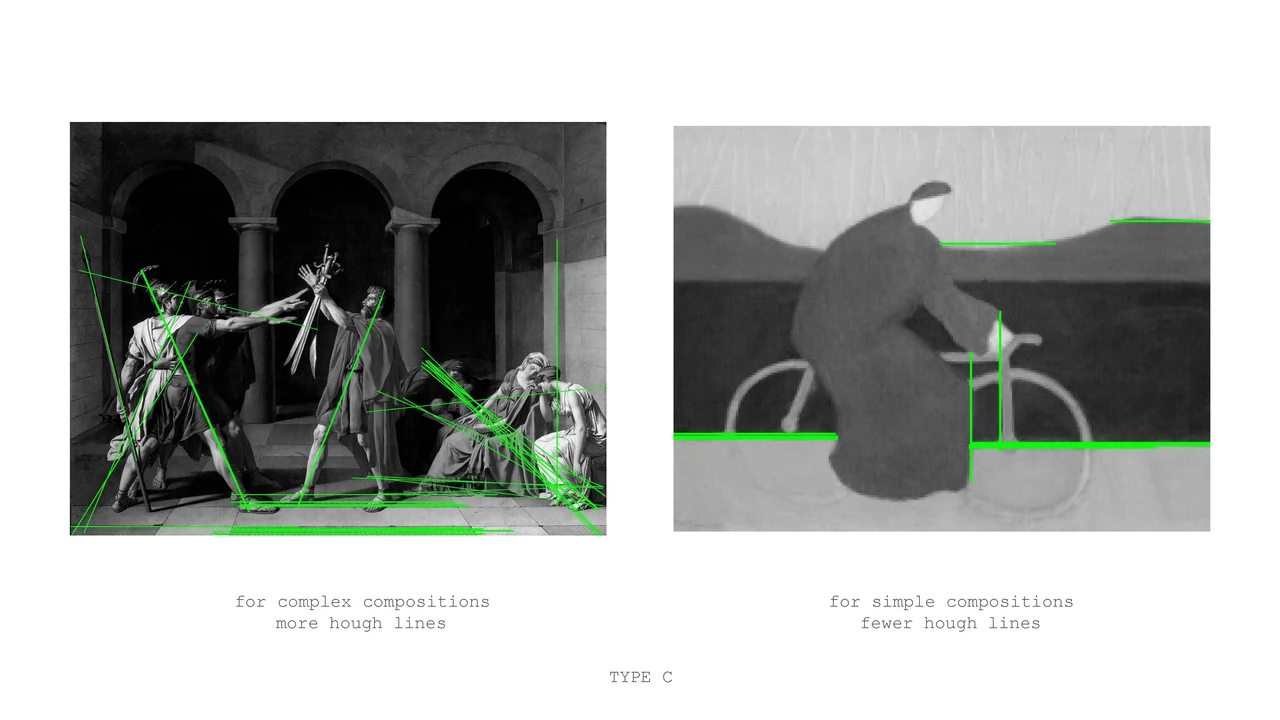
Type C, where text follows compositional axes detected in the painting.
Poem Generation Modes
Type A — Text as Figure
In Type A studies, text is positioned at the center of a detected figure or arranged along its boundary. Segmentation supplies a spatial frame for the poem, linking the placement of language to the painting’s subjects.
Type B — Text as Texture
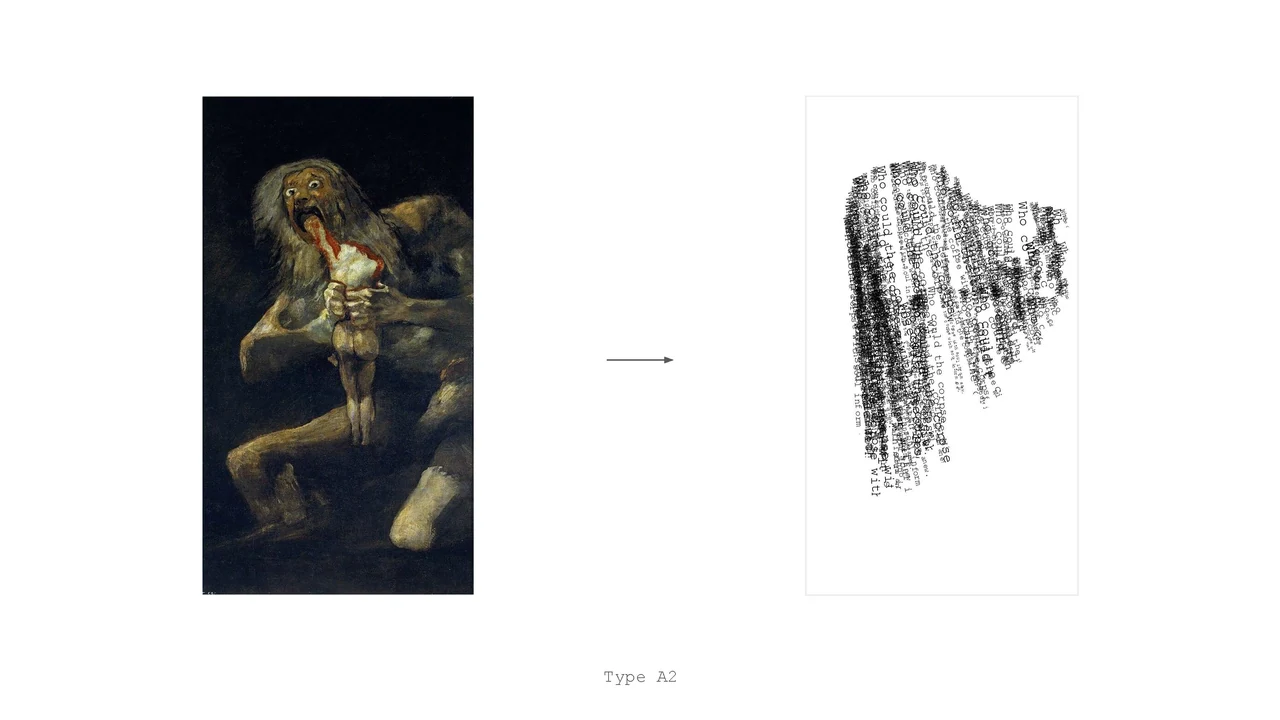
In Type B outputs, the poem behaves like a visual texture. Text fills regions of the painting according to their detected texture categories, generating rhythm, density, or repetition patterns that mirror the artwork’s surface qualities. The poem becomes the material.
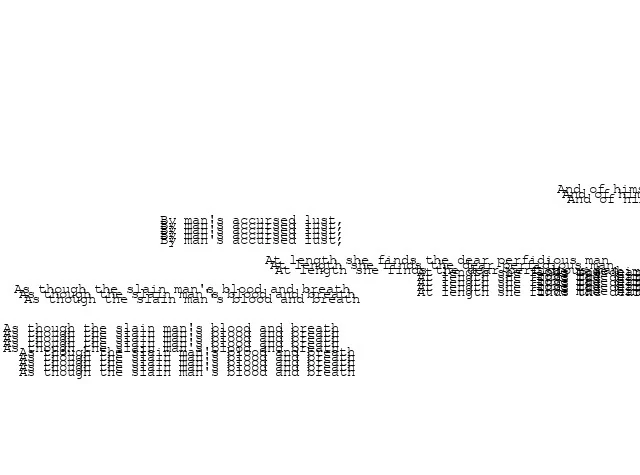
Type C — Text Along Axes
In Type C studies, detected lines provide axes for arranging text. The accompanying diagrams compare denser line networks in complex compositions with fewer lines in simpler compositions.
These three modes explore different ways to arrange language in response to a painting’s figures, texture, and compositional structure.
The system produces a wide range of visual poems shaped by the unique properties of each painting.
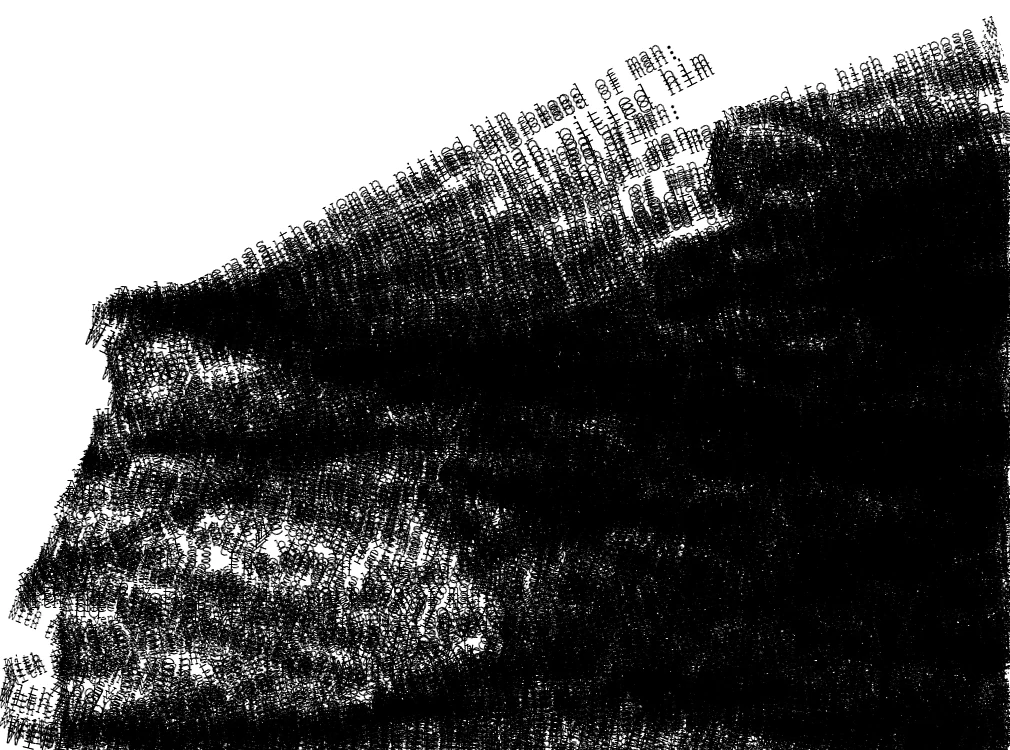
Because each artwork carries its own composition, emotional tone, and textural cues, the resulting poetic forms vary dramatically—from delicate contours to dense textual fields.
This gallery showcases the diversity and interpretive depth of the system’s outputs.
Reflection
Painting to Poem challenges conventional approaches to AI interpretation by shifting from description to poetic transformation. Instead of summarizing what a painting depicts, the system engages with how it feels, how it is structured, and how it behaves visually. The project positions poetry as a computational material shaped by vision models and text-generation engines.
This work reframes machine perception as a creative act—one that produces new expressive forms rather than objective analysis. By letting paintings generate poems through multimodal inference, the project invites viewers to encounter artworks through an alternative sensory and conceptual channel, expanding the possibilities of cross-modal human–AI collaboration.